We are going to chat about finding comfortable heels that don’t hurt. Comfortable heels support your feet without pinching your toes, rubbing your skin, or forcing your weight too far forward. Finding that balance takes more than checking the number on the box.
The shape, construction, and fit all affect how a pair feels after several hours. Start with proper shoe fit, then consider where you’ll wear the shoes and how much walking or standing the day may involve.
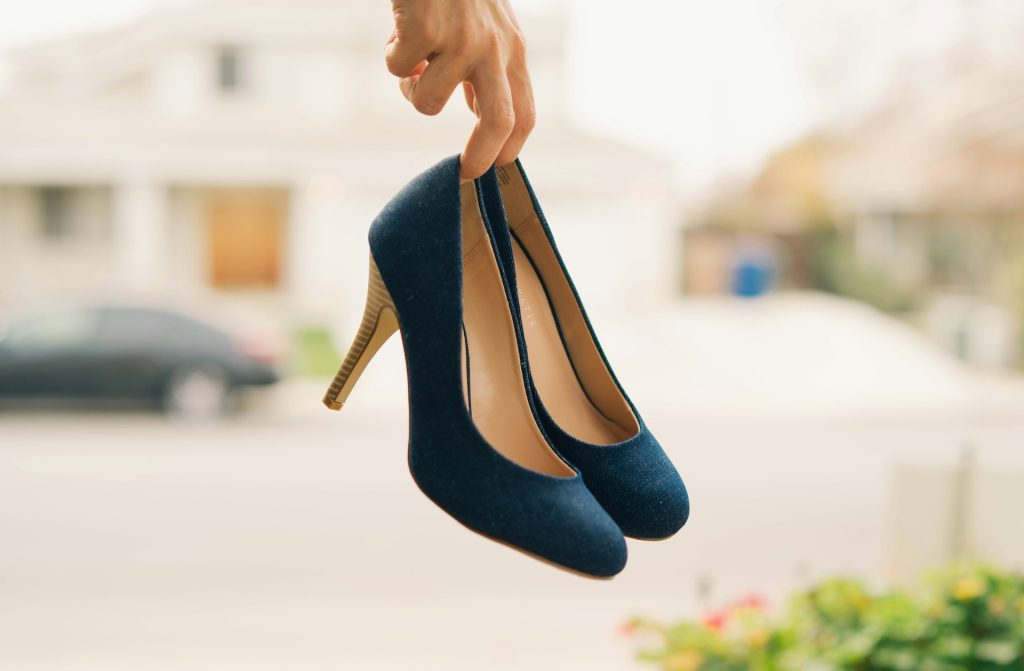
Photo Credit: Unsplash
The Anatomy of a Comfortable Heel
A stable heel begins with a secure fit around the back of the foot. Your heel shouldn’t lift noticeably as you walk, yet the shoe’s edge shouldn’t dig into your skin.
Look for a roomy toe box that lets your toes rest naturally and a sole that bends near the ball of the foot instead of folding through the middle. This design promotes a natural gait.
Heel placement matters too. A heel positioned directly beneath your natural heel tends to feel steadier than one set far back. If you want a modest lift with a smaller change in foot angle, kitten heels by Melissa offer one style option to consider. Always walk on both carpet and a hard surface before deciding whether a pair feels balanced.
Material Matters for Comfort
The material touching your foot affects flexibility, friction, and heat. Soft linings and smooth interior seams help reduce rubbing, especially around the toes and heel.
A stiff upper may soften with wear, but it shouldn’t feel painful during the first fitting. Shoes that already pinch in the store rarely become comfortable enough for a full day.
Check the insole as well. Light cushioning under the ball of the foot can soften pressure, while a slippery lining may cause your feet to slide forward.
Jelly footwear has its own flexible feel, so inspect the edges and choose a size that doesn’t press against your skin. If your feet tend to swell, shop later in the day when they’re closer to their largest size.
Heel Height and Your Feet
Even a well-made shoe can become uncomfortable when its height doesn’t suit your routine. Higher heels shift more body weight toward the front of the foot, which can increase pressure beneath the toes. The effects of high heels can also extend to your ankles, knees, and posture when you wear them frequently.
For commuting, shopping, or an event with lots of standing, a lower heel usually offers better stability. Pay attention to the shoe’s pitch, which is the slope between the heel and forefoot.
A platform under the front can make a taller style feel less steep. Test your normal stride before buying. If you start taking shorter steps or feel your toes gripping the shoe, try a lower option.
Styling Heels for All-Day Wear
Plan your outfit around the amount of movement your day requires. A fitted dress can work with a low heel for a family celebration, while cropped pants pair well with a sleek kitten heel for dinner or an office event. A secure ankle strap may help if you’ll be moving between different surfaces.
Wear new heels at home for 20 to 30 minutes at a time before a long outing. This trial reveals pressure points without leaving you far from a change of shoes.
Pack small adhesive bandages for spots that tend to rub and consider thin forefoot cushions if the shoes have enough interior space. Rotating between heels and supportive flats during the week also gives your feet a break without limiting your outfit choices.
Comfort should feel apparent within the first few minutes, not after a painful break-in period. When you can walk with your usual stride and stand without shifting your weight constantly, you’ve likely found a pair that can stay on through the final plans of the day.
Leave a Reply