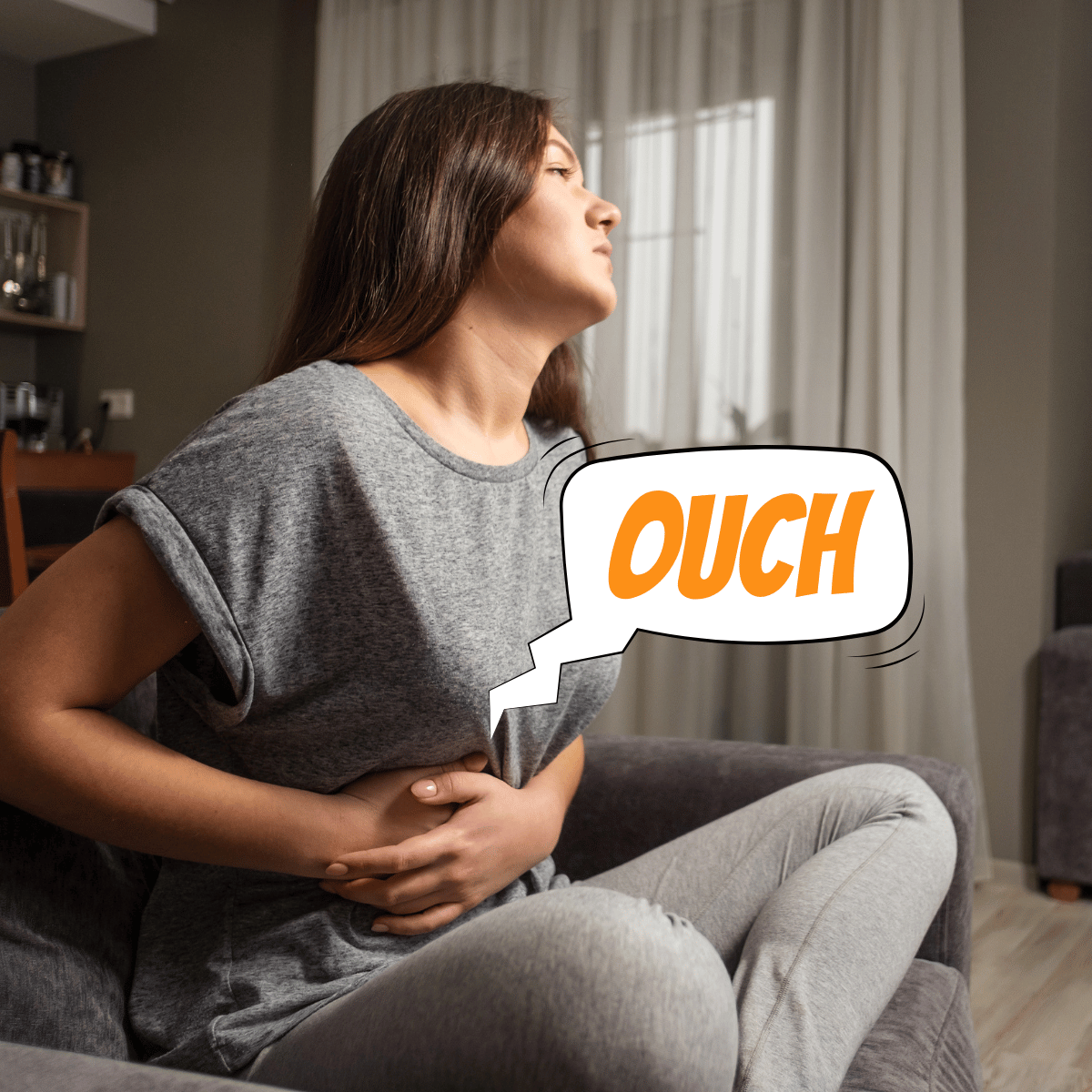
We often ignore the quiet rumblings of our own bodies until they become too loud to dismiss. A sudden, sharp ache beneath your right ribs might feel like simple indigestion after a heavy, celebratory meal.
You drink some water, take an antacid, and desperately hope the discomfort will just pass in the night. But when that pain radiates through to your back and steals your breath, your body is demanding your absolute attention.
The small, green-hued organ tucked neatly beneath your liver has suddenly turned against you. When you find yourself sitting in a clinical office preparing for gallbladder removal surgery, the prospect of permanently losing a piece of your internal anatomy can feel deeply unsettling. It forces you to reckon with how beautifully, and sometimes how violently, your digestive system operates.
The Misunderstood Warning Signs
The most common and dangerous mistake people make is mistaking a severe biliary attack for chronic heartburn. They feel a burning pressure high in the abdomen and spend months chewing on antacids or taking acid-blocking medications, treating the wrong organ entirely.
You need a clear decision rule to translate what your body is shouting. Heartburn creeps up the chest and tastes sour. A gallbladder attack is highly specific: if the pain hits exactly thirty to sixty minutes after eating a meal heavy in fat, peaks rapidly into an intense, squeezing agony, and lingers for hours without relief from antacids, it is a stone blocking your bile duct.
The Function Of The Reservoir
To understand what you are losing, you must understand what this organ actually does. Many people fear they will never be able to digest food properly again. But the gallbladder does not actually manufacture the digestive juices you need.
Your liver is the factory that continuously produces bile to break down fats. The gallbladder is merely a storage tank, holding the bile in reserve and squeezing it into your intestines when you eat a heavy meal. Removing the tank does not stop the production of bile; it simply changes how that bile is delivered to your system.
The Danger Of Waiting It Out
When the pain of an attack finally subsides, the temptation to cancel the surgery is overwhelming. You feel fine, and you convince yourself it was a singular event. This is a profound gamble with your internal health.
Gallstones do not dissolve on their own. Once your body begins forming them, it will continue to do so. If a small stone escapes the organ and becomes wedged deeply in the common bile duct, the backed-up bile can trigger acute pancreatitis. You trade a scheduled, routine removal for an emergency hospital admission and a life-threatening infection.
Relearning How To Eat
There is a significant trade-off you must accept regarding your diet in the immediate aftermath of the operation. Most medical pamphlets will tell you to simply adopt a low-fat diet forever. The real answer is much more forgiving, but it requires deep patience with your recovering body.
Without the storage tank, your liver now drips bile continuously into your intestines. It cannot dump a large amount at once to handle a heavy cheeseburger.
If you overwhelm the system with a massive dose of fat, the undigested oils will rush through your intestines, causing severe cramping and immediate urgency. You do not have to give up fat forever, but you must meticulously trickle it back into your life.
Navigating The First Month
You have to train your liver to handle its new anatomical reality. This requires a concrete, stepped approach to your meals during the first four weeks of healing.
- In week one, restrict yourself to meals containing no more than three grams of fat per serving, focusing on clear broths and lean proteins.
- By week three, introduce small amounts of easily digestible fats, like a quarter of an avocado or a spoonful of olive oil.
- By week six, your digestive tract will have largely adapted, allowing you to eat normally without sudden distress.
Losing a part of your body is a profound transition. It requires you to slow down and listen closely to the intricate machinery keeping you alive.
But once you remove the source of the pain and gently teach your digestive system its new rhythm, you return to a state of internal peace. You can sit down to a meal without fear, trusting that your body still knows exactly how to sustain you.
Leave a Reply