Today, we will talk about the only patch of skin you never actually look at. Can you guess what that is? Consider how much attention the skin on your face gets. Cleanser, moisturizer, sunscreen, possibly a serum with a very confident name. Now consider the skin on your scalp.
Same organ, more oil glands than almost anywhere else on you, and home to every hair follicle you own. It gets shampoo. Sometimes it gets shampoo and a vigorous scrub with whatever is nearest in the shower.
This is the odd gap in most people’s routines. Nearly everything in the bathroom is designed for hair, which is a fibre, and almost nothing is designed for the skin that fibre grows out of.
That gap is precisely the space a hair scalp treatment in Singapore works in, and it helps to know what one should actually be doing for you before you book anything.
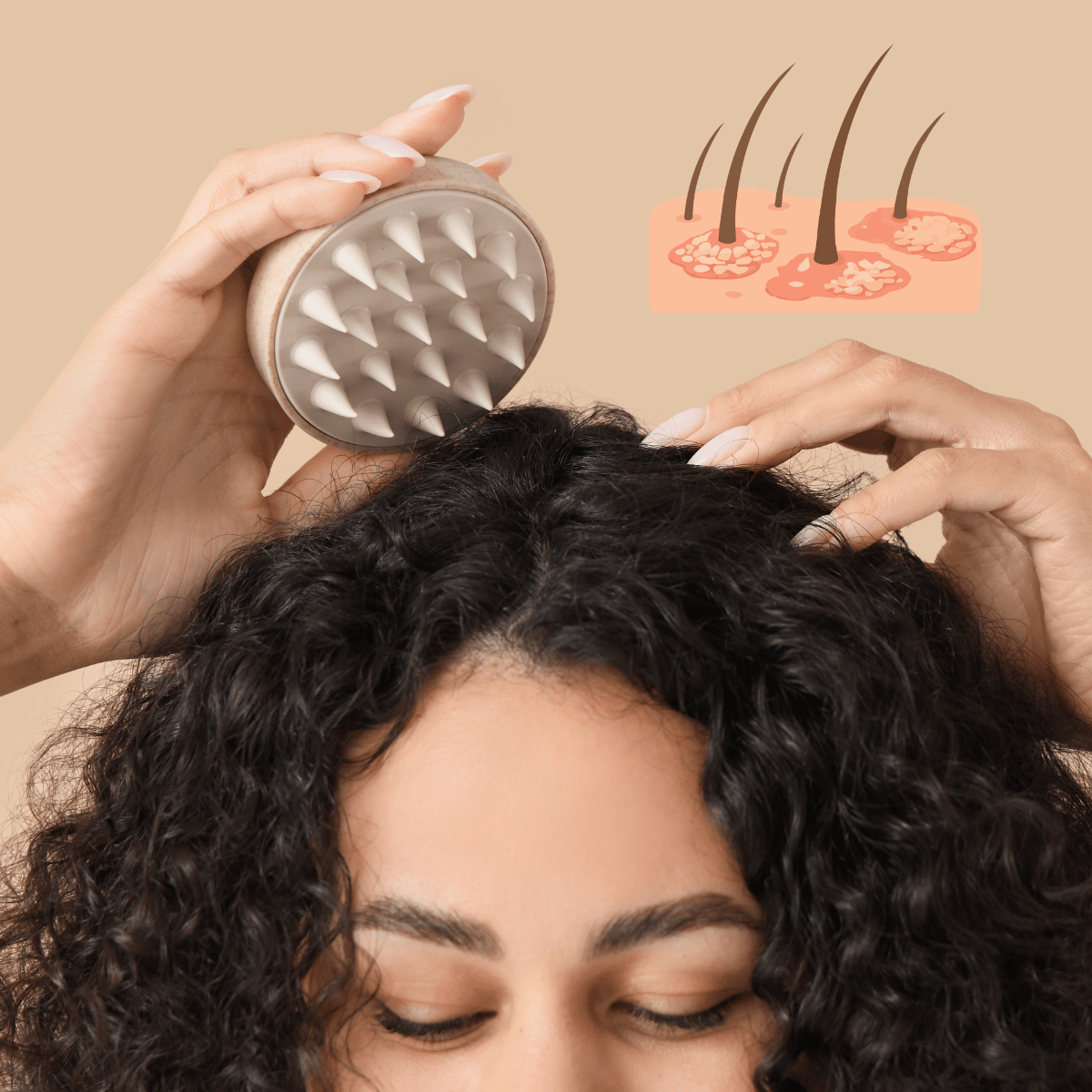
The Only Patch Of Skin You Never Actually Look At
Let’s take a deeper look!
Roots Are Skin, Ends Are Fabric
Here is a rule that clears up most bathroom confusion. Treat the last few inches of your hair like fabric, and the first inch like skin.Fabric wants conditioning, protection and gentle handling.
It is dead, it cannot repair itself, and the aim is simply to keep it in decent shape. Skin wants cleansing, a little exfoliation, and not being smothered. It is alive, it renews, and it responds.
The trouble starts when products meant for the fabric end up on the skin. Rich conditioners, oils and leave-in creams applied at the roots do very little for the hair there, which is new and in good condition anyway, and quite a lot to the skin underneath, which now has a film over it. Conditioner belongs on the mid-lengths and ends. It is a small change, and people tend to notice it within a fortnight.
Too Much & Too Little
Now the frustrating part. An over-washed scalp and an under-washed scalp can look almost identical. Both go flaky, both get itchy, both end up feeling tight or sore.
Which means the advice you receive is often a coin toss. Wash more, says one friend. Wash less, says the internet. Neither of them has looked at your scalp.
A better guide is how your roots feel by the end of the day. Heavy, damp and mildly itchy by evening usually means buildup, and washing more often helps.
Tight, stinging or tender within hours of washing usually means an irritated barrier, and the answer there is a gentler product and less scrubbing, not more frequency. Same symptoms, opposite fixes.
Follicles Live In That Skin
Now the reason any of this matters beyond comfort. Every hair you have grows out of a small pocket in that skin. If the skin around the pocket is inflamed, congested or repeatedly scratched, it is not an ideal place to be growing anything. Which is why people who buy growth serums while ignoring a red, itchy scalp often feel they are pushing water uphill.
None of that means a healthy scalp cures hair loss. Plenty of thinning has nothing to do with scalp condition, and it would be dishonest to suggest otherwise. But when both are present, sorting out the scalp first is the cheaper and more sensible order, and it makes whatever you try next far easier to judge.
What A Proper Check Covers
If you do go and see somebody, a decent assessment involves more than a glance and a recommendation.
Reasonable things to expect:
- A proper look at the scalp under magnification, not just at your hair.
- A note of where the trouble sits, since the hairline, crown and nape often behave differently.
- Some read on oil levels and buildup around the follicle openings.
- Attention to redness and any small bumps, which point somewhere different from flaking.
- Questions about your products, your washing habits and how much you sweat.
- Photographs, so there is something to compare against in six weeks.
If nobody looks closely and nobody records a starting point, you have no way of telling later whether anything actually worked.
How To Judge A Session
Scalp treatments are pleasant. Warm water, somebody else massaging your head, the small luxury of not doing it yourself. That pleasantness makes them hard to assess honestly.
So set the bar somewhere measurable before you start. Less itch. Fewer flakes on a dark shirt. Roots that feel lighter by evening. Then give it a fair run, because one session buys you a clean scalp and a nice afternoon.
While changing how the skin behaves takes a few weeks of repeated work plus something sensible at home in between. And be a little wary of any plan that never mentions what you do on the other twenty-nine days of the month.
The scalp is the one patch of skin most of us never look at, which is a shame, because it reports on itself constantly. It tells you when it is congested and when it is raw, and it uses different signals for each. Learn to read those two, keep the conditioner off your roots, and you will have done more for your hair than most bottles ever will.
Leave a Reply