In this post, we will talk about how organic cotton baby clothes differ from conventional options. New parents spend a surprising amount of time thinking about what touches their baby’s sensitive skin, and the fabric question tends to surface a lot earlier than most expect.
The difference between organic and conventional cotton baby clothes goes deeper than a marketing label; it starts in the soil, runs through the entire manufacturing chain, and ends up pressed against the most sensitive skin your child has.
Knowing how these two options actually differ helps you make a choice that fits your real priorities, whether that’s chemical safety, environmental impact, or clothes that don’t turn scratchy after a month.
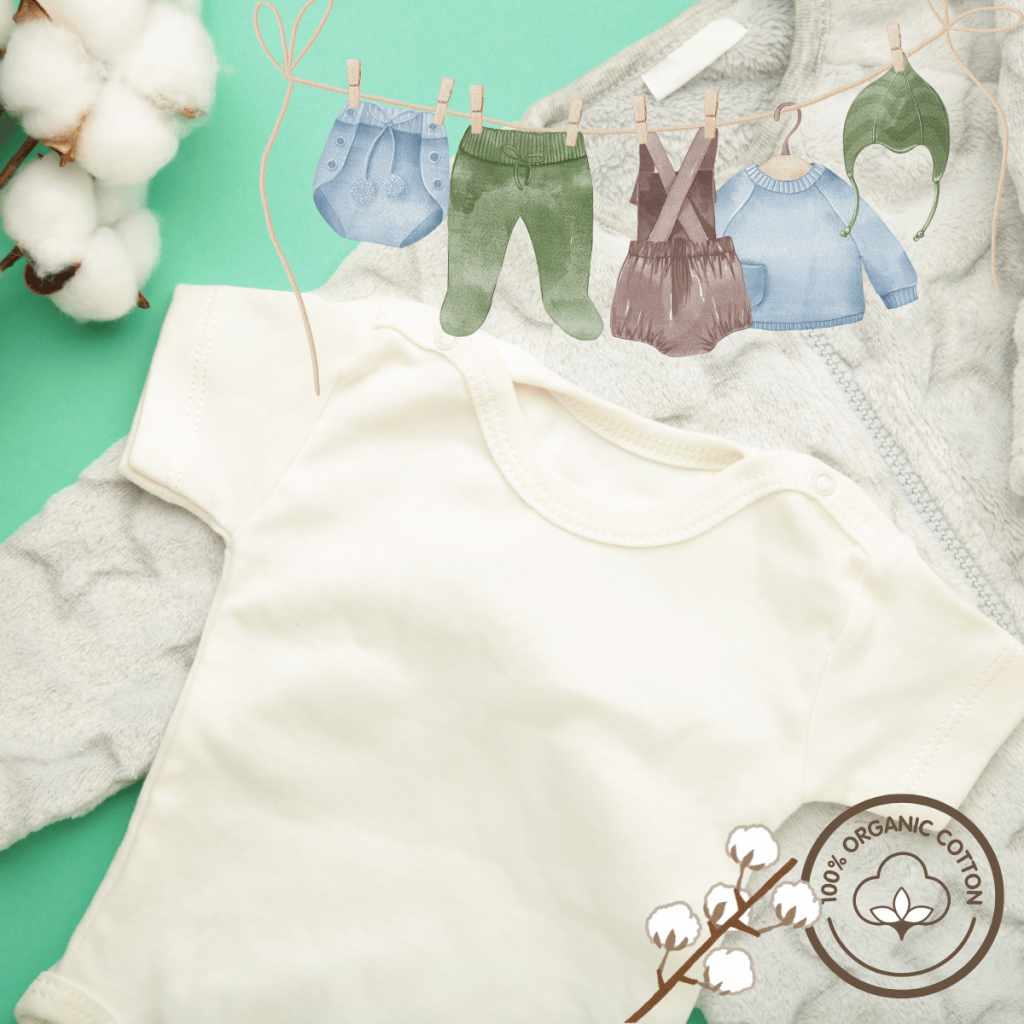
What Sets Organic Cotton Apart at the Source
The gap between organic and conventional cotton opens before a single thread gets spun. The Treehouse organic cotton baby clothes are made from GOTS-certified fabric, which means the cotton was grown without synthetic pesticides, herbicides, or genetically modified seeds, and every step of production met strict environmental and labor standards to earn that certification.
Conventional cotton, by contrast, is one of the most pesticide-intensive crops on the planet. According to the Pesticide Action Network, conventional cotton accounts for roughly 16% of global insecticide use despite covering only 2.5% of the world’s farmland. That’s a staggering imbalance.
And it matters because pesticide residues don’t vanish once the crop is harvested. They work their way into the fiber, through processing, and onto finished garments. When your baby wears a conventional cotton onesie, the fabric pressed against their skin all day may carry trace chemical residues.
Organic cotton skips those inputs entirely, relying instead on crop rotation, natural pest management, and non-GMO seeds. The result is a cleaner raw material before any finishing process even touches it.
How Farming Practices Shape the Final Fabric
Organic cotton farming bans synthetic inputs, but it also changes the physical character of the fiber itself. Without harsh chemical treatments during growth, organic cotton fibers tend to hold more of their natural structure.
They stay longer and stronger because they’re not broken down by pesticide applications or defoliation chemicals, two processes conventional farms use to speed up harvest. That fiber integrity carries through to the finished garment.
Organic cotton clothes typically feel softer straight out of the package and hold their texture through far more wash cycles than conventionally grown alternatives.
Conventional cotton often gets a boost from silicone-based softeners added during finishing, a workaround for the rougher underlying fiber. Those treatments wash out over time, which is why a conventional onesie that starts off feeling smooth can turn scratchy after six or eight laundry cycles.
With organic cotton, the softness isn’t a coating. It’s the fiber itself. For babies who wear the same few outfits on repeat, that difference becomes easy to feel within the first month.
Certifications That Verify What Brands Claim
Labels like “natural” and “chemical-free” carry no legal definition in the American apparel market, which means any brand can print them on a hangtag without accountability.
Third-party certifications are how you cut through that noise. GOTS (the Global Organic Textile Standard), is the most stringent certification available for organic textiles. It covers the entire supply chain, from the field where the cotton grows to the factory that dyes and sews the finished garment.
To achieve GOTS certification, a brand must prohibit toxic dyes, limit formaldehyde and heavy metal residues, and meet labor standards at every production stage.
OEKO-TEX Standard 100, a separate certification, tests finished products for over 100 harmful substances, including pesticide residues, formaldehyde, and allergenic dyes. Both certifications require annual audits and can be verified independently.
So when you’re shopping for baby clothes, look past the marketing language on the front of the package and check the back for GOTS or OEKO-TEX logos. Those marks are verifiable; the word “natural” isn’t.
How Each Fabric Type Affects Your Baby’s Skin
Baby skin isn’t just smaller than adult skin, it functions differently. Newborn skin is thinner, absorbs substances through its surface more readily, and has a less developed acid mantle to protect against environmental irritants. That biological reality is exactly why fabric choice matters more in the first two years of life than at any other point.
Conventional cotton goes through a long finishing process that can introduce formaldehyde-based wrinkle treatments, optical brighteners, and azo dyes – synthetic colorants that some studies have linked to skin sensitization and allergic contact dermatitis.
A 2019 review published by the American Contact Dermatitis Society identified textile dyes as one of the top five allergens causing contact dermatitis in children.
Organic cotton production prohibits the worst of these chemicals. Water-based dyes, which contain no heavy metals or azo compounds, replace the conventional synthetic alternatives.
Flat-seam construction – a manufacturing choice more common among organic baby brands- removes another physical irritant that conventional garments frequently overlook.
The Chemical Load Conventional Cotton Carries
Conventional cotton garments don’t just carry field chemicals. The finishing phase introduces a whole separate category of substances: softeners, anti-static agents, and sometimes flame retardants.
Some manufacturers apply chlorine bleach to achieve a bright white base before dyeing. Each of these substances leaves residue in the fabric, and residue levels vary by brand with no required disclosure to consumers.
Honestly, flame retardant chemicals deserve particular attention here. In 2022, the U.S. Consumer Product Safety Commission flagged organophosphate-based flame retardants in children’s products as a priority concern because of their potential to disrupt endocrine function in young children.
Organic cotton brands that pursue GOTS certification are prohibited from using these retardants altogether, not as a marketing feature, but as a hard requirement of the standard.
But you won’t always see “no flame retardants” on an organic cotton tag; the certification itself makes the omission mandatory, so you just have to know what the logo means.
What Organic Fabric Feels Like Over Time
Durability is the practical argument that often gets buried in the organic-versus-conventional conversation. Parents understandably focus on chemical safety, and the physical longevity of organic cotton doesn’t get the attention it deserves.
Organic cotton’s longer, intact fibers produce a denser weave that resists pilling far better than conventionally processed alternatives. You can expect organic cotton baby clothes to hold their shape and softness through 50 to 80 wash cycles, while conventional cotton often starts to pill and thin around 30 to 40 cycles, depending on wash temperature and detergent chemistry.
For sizes your baby wears for only two or three months, that gap might seem irrelevant. But for items worn across multiple children or handed down to a younger sibling, fiber quality becomes a genuine consideration.
The upfront price of organic cotton is typically higher – individual baby items often run $30 to $40 versus $10 to $20 for conventional equivalents – but the cost per wear narrows quickly when the garment lasts twice as long. The trick is thinking in total uses rather than sticker price.
Organic cotton and conventional cotton baby clothes differ at every stage – the farm, the factory, and the final product against your baby’s skin.
Organic cotton skips the synthetic pesticides and toxic dyes that conventional production depends on, and third-party certifications like GOTS and OEKO-TEX give you a way to verify those claims independently.
Your baby’s skin absorbs more from its environment than adult skin does, so the chemical residues in fabric aren’t a theoretical concern – they’re a practical one. And beyond safety, organic cotton’s fiber structure means clothes that stay soft longer and survive more washes.
Whether you’re prioritizing your child’s skin health, environmental footprint, or both, the differences between these two fabric categories are specific enough to matter and clear enough to act on.
Leave a Reply