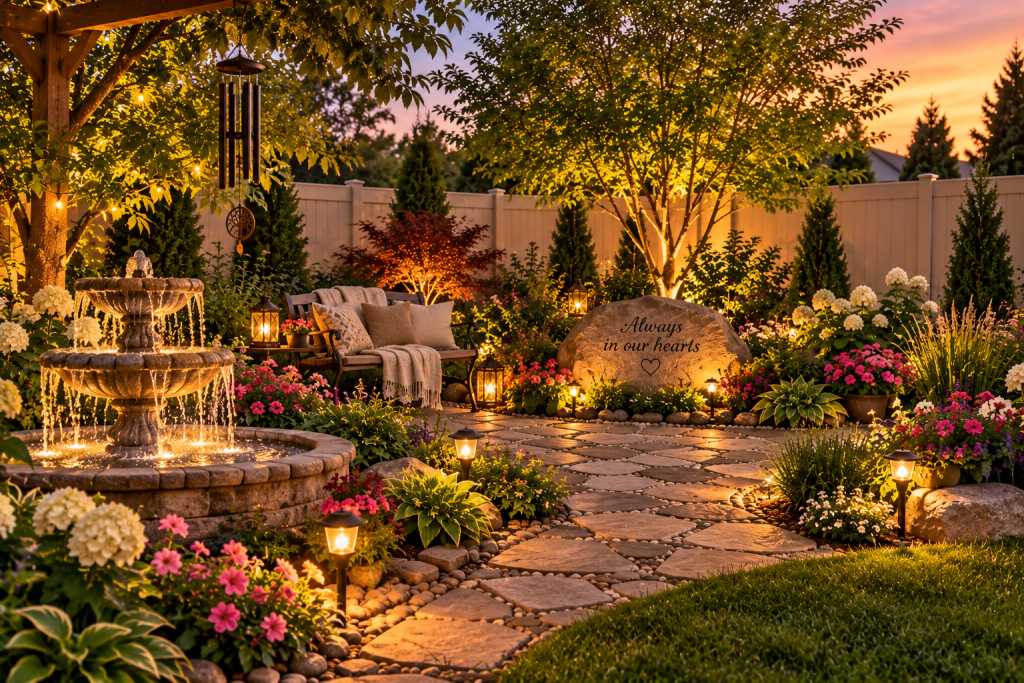
Today, we will talk about how to create a peaceful garden dedicated to past loved ones. A memorial garden creates a private place to remember someone through familiar flowers, meaningful objects, and quiet outdoor moments. It can fill a whole corner of the yard or fit into a few containers on a patio.
There’s no required design or timetable. Grief looks different for every family, and healthy ways to remember a loved one can be as personal as the relationship itself.
How To Create A Peaceful Garden Dedicated To Past Loved Ones
Start with a manageable space, then add details slowly. A garden that develops over several seasons often feels more personal than one completed in a single weekend.
Pick A Quiet Corner In Your Yard
Walk around your yard at different times of day before selecting a location. A spot that seems peaceful in the morning may receive harsh afternoon sun or noise from a nearby road later. Spend five or 10 minutes in each possible area and notice the light, wind, drainage, and surrounding activity.
Look for a space where you can place a chair or small bench without blocking a walkway. Privacy may come from an existing fence, hedge, or tree. If the yard feels exposed, a simple trellis covered with clematis or another suitable climbing plant can create a softer boundary. Leave enough room around the seat for easy movement and routine garden care.
Sunlight matters because it determines which plants will thrive. Full-sun areas generally receive at least six hours of direct light, while partially shaded spaces get roughly three to six hours. Check the soil after heavy rain too. Standing water can damage many plants and make the area uncomfortable to visit.
When creating a memorial garden, it helps to think about color, fragrance, and seasonal changes as part of the overall design. A shaded corner may suit ferns and a quiet bench, while a sunny bed could support colorful perennials that return each year.
Small yards still offer plenty of options. A large planter beside a favorite outdoor chair can become a complete miniature garden, especially when ground planting isn’t practical.
Add Weatherproof Memorial Gifts & Accents
Choose one focal point first, then build the garden around it. This keeps a small space from feeling crowded and gives the eye a natural place to rest. A personalized plaque, lantern, bird bath, or engraved stone can hold a name, date, or short message with special meaning.
When you’re deciding what belongs in the space, personalized memorial gifts can offer a starting point for commemorating a family member, friend, or pet. Select an item that suits the garden’s scale and reflects something genuine about the person.
For example, a bird bath may feel fitting for someone who loved watching backyard birds, while a lantern could recall evenings spent together on the porch.
Check materials before placing any keepsake outdoors. Powder-coated metal, sealed stone, and exterior-grade resin generally handle changing weather better than untreated wood or indoor ceramics.
Even weather-resistant pieces benefit from basic care. Place delicate accents beneath a covered area, bring lightweight objects inside before severe storms, and inspect finishes each spring.
You can also include an item you already own. A restored garden chair, ceramic planter, or stepping stone from a family home may carry more meaning than a new decoration. Apply an outdoor-safe sealant if the material allows it, and keep irreplaceable photographs or paper notes indoors.
Resist filling every open patch at once. One focal piece and two or three smaller accents usually give plants enough room to grow. Leave some bare soil between new perennials since many will spread noticeably by their second or third season.
A level, stable base helps protect heavier items. Set a lantern or planter on a flat paver, then check it after freezes or heavy rain in case the soil has shifted.
Select Plants With Personal Meaning
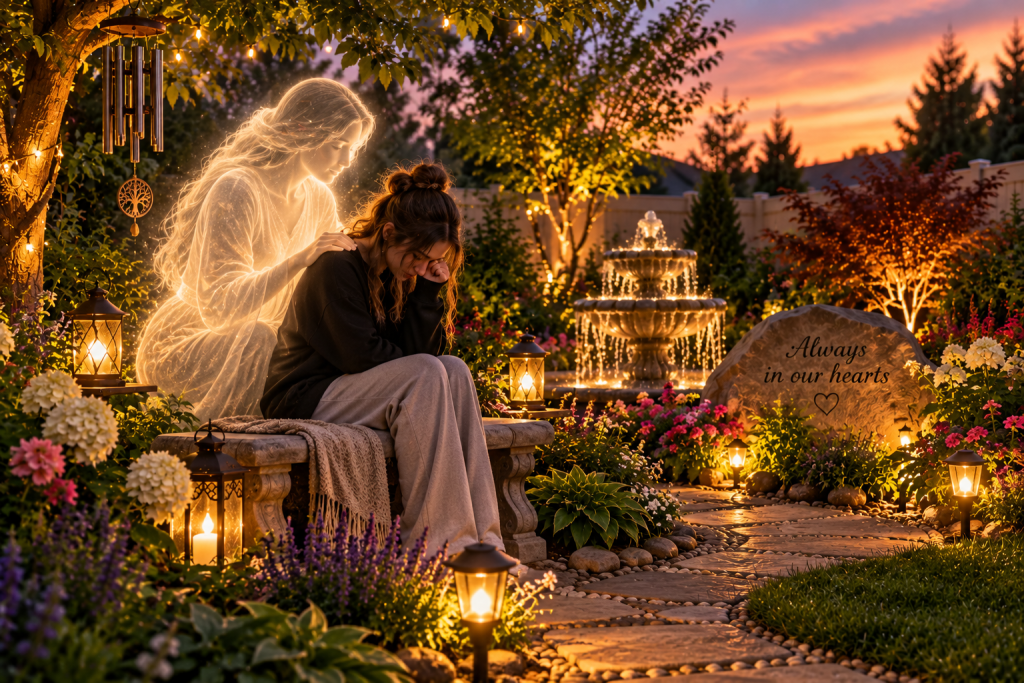
Start with plants connected to a memory. You might grow the roses that appeared in a wedding bouquet, the herbs someone used in family meals, or flowers in a favorite color. If there’s no obvious choice, select a plant whose scent, bloom time, or seasonal appearance reminds you of shared experiences.
Planting something in someone’s memory can also become one of several ways to keep a loved one’s memory alive, alongside creating a tribute garden or preserving meaningful keepsakes. A tree, shrub, or perennial can give the garden a living focal point that changes with the seasons.
Match that personal meaning to real growing conditions. Before buying anything, check your USDA plant hardiness zone. The map uses average annual extreme minimum winter temperatures to divide the country into 10-degree Fahrenheit zones. A perennial rated for your zone has a better chance of returning after winter, though soil, moisture, and summer heat still affect its health.
Aim for interest across several seasons. Spring bulbs can open the year with color, followed by summer perennials and shrubs with bright fall foliage.
An evergreen near the back of the bed provides structure after flowers fade. If upkeep needs to stay simple, use three to five reliable plant varieties and repeat them throughout the space.
Fragrant plants can make memories feel especially immediate. Lavender, garden phlox, and some roses release recognizable scents, but their needs vary.
Read the plant label for mature size, sun requirements, and watering guidance. A shrub sold in a one-gallon pot may eventually become several feet wide, so give it room from the beginning.
Consider the person who will care for the garden too. Someone with limited time may prefer a compact bed with mulch and drought-tolerant perennials.
Containers offer more control, though they dry out faster and may require daily watering during hot weather. Self-watering planters can reduce that demand.
Avoid planting a tree too close to a house, fence, or utility line. Check its expected height and canopy width, then account for roots and falling leaves. For rented homes or future moves, a potted dwarf shrub may be easier to take along.
Add Moving Water Or Wind Chimes
Gentle sound can give the garden a comforting sense of life. A small fountain adds movement and may soften nearby traffic or neighborhood noise. Wind chimes create a similar effect with less setup, though their volume and tone deserve careful consideration.
For a fountain, choose a model that fits the available power source and maintenance time. Solar fountains work best in dependable direct sun.
Plug-in models need a properly rated outdoor outlet and a cord positioned away from walking paths. Keep the basin filled to the manufacturer’s recommended level so the pump doesn’t run dry.
Clean out leaves every week or two and wipe away algae as needed. If freezing temperatures are common where you live, follow the product instructions for draining and winter storage. A shallow water feature may also need frequent refilling during hot, windy days.
Water has practical benefits beyond its sound. It can attract birds and pollinators when the basin provides safe footing and clean water. Creating a bird-friendly yard includes providing fresh water and keeping it clean. Add a few flat stones to a shallow basin so small visitors have places to perch.
Listen to wind chimes before buying them whenever possible. Low, mellow tones tend to blend into a quiet garden, while higher tones may carry farther than expected.
Hang chimes where branches and structures won’t cause constant contact. It’s also considerate to check how clearly they can be heard from neighboring properties.
Natural sounds work well if you’d prefer no installed feature. Ornamental grasses rustle in light wind, and seed-producing flowers invite songbirds. The benefits of natural sounds include reduced stress and improved mood, making them a thoughtful addition to a place intended for reflection.
Give the finished garden time to settle. Plants will fill gaps, finishes will soften, and seasonal changes will add new details each year. Keep a small pair of garden shears or a watering can nearby so caring for the space can become part of visiting it. On birthdays, anniversaries, or ordinary afternoons, the garden will be ready with a seat, a familiar flower, and a quiet place to remember.
Leave a Reply