In this post, we will talk about the role of essential minerals in a balanced approach to nutrition. Essential minerals are nutrients that the body cannot produce on its own, but they play an important role in keeping us healthy and supporting everyday bodily functions.
They help maintain strong bones, balance fluids, support nerve signaling and muscle function, and contribute to normal energy metabolism. While minerals do not provide calories like carbohydrates, fats, and proteins, they are essential for helping the body use energy and carry out many important biological processes.
Our mineral needs can vary depending on factors such as age, activity level, diet, and overall health. For this reason, getting enough minerals is best viewed as part of a balanced approach to nutrition.
The Role Of Essential Minerals In A Balanced Approach To Nutrition
In some cases, people may consider zinc supplements when their diet does not provide enough zinc, while they may consider calcium supplements when their dietary calcium intake is inadequate and it is advised by a healthcare professional.
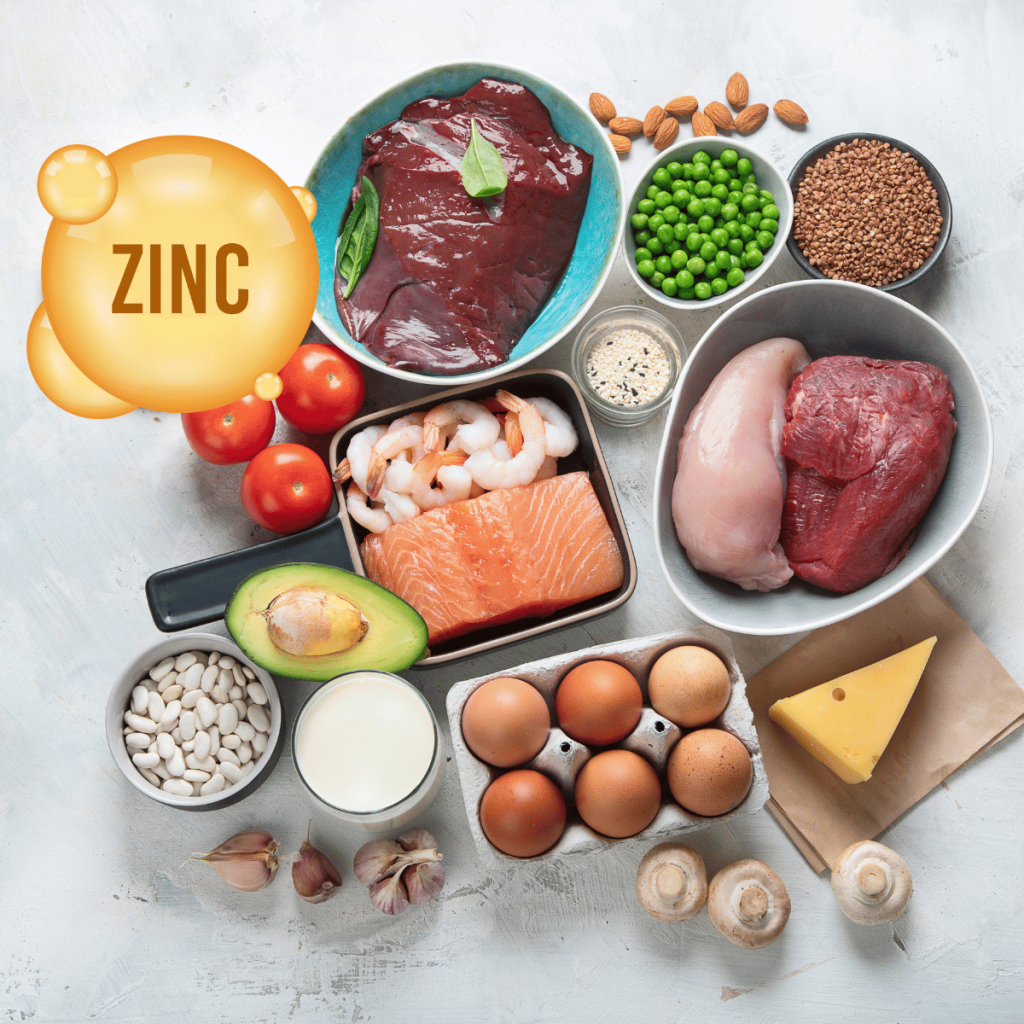
Major Minerals & Their Functions
Minerals are often grouped into major minerals and trace minerals. Major minerals are needed in larger amounts and include calcium, magnesium, potassium, sodium, chloride, phosphorus, and sulfur.
Calcium and phosphorus are best known for their role in bone and tooth structure, while magnesium supports muscle and nerve function, blood glucose control, and protein synthesis. Potassium helps regulate blood pressure and fluid balance, especially when paired with a diet that is moderate in sodium.
Sodium and chloride are also essential, but many Americans consume more sodium than needed, largely from processed and restaurant foods. Too much sodium may contribute to high blood pressure in sensitive individuals.
A balanced approach does not mean eliminating sodium entirely; it means choosing more fresh foods, reading labels, and seasoning meals with herbs, spices, citrus, and vinegar when possible.
Trace Minerals Still Count!
Trace minerals are needed in smaller amounts, but their importance should not be underestimated. Iron helps carry oxygen in the blood and supports energy levels. Iodine is necessary for thyroid hormone production, which influences metabolism.
Selenium contributes to antioxidant defenses, while copper and manganese support enzyme activity and connective tissue health. Even small shortfalls can affect well-being over time, particularly when diets are highly restricted or lack variety.
Iron deserves special attention because needs differ widely. Premenopausal women, pregnant people, endurance athletes, and individuals following plant-based diets may require careful planning to meet iron needs.
Plant sources such as beans, lentils, tofu, spinach, and fortified cereals contain non-heme iron, which is absorbed more effectively when eaten with vitamin C-rich foods like oranges, strawberries, bell peppers, or tomatoes.
Food-First Nutrition
A food-first approach is usually the safest and most sustainable way to meet mineral needs. Dairy products, fortified plant milks, leafy greens, canned fish with bones, nuts, seeds, legumes, whole grains, fruits, vegetables, lean meats, seafood, and eggs all contribute different minerals.
Eating a wide range of these foods improves the chances of covering nutritional gaps without consuming excessive amounts of any one nutrient.
Balance also depends on how foods are prepared and combined. For example, soaking or rinsing beans can improve digestibility, while choosing whole grains over refined grains often increases mineral intake.
Limiting ultra-processed foods can reduce excess sodium while making room for potassium-rich foods such as potatoes, bananas, avocados, beans, and yogurt.
When Supplements May Be Helpful
Supplements can be useful in specific situations, such as diagnosed deficiencies, pregnancy, certain medical conditions, food allergies, or restrictive eating patterns.
Still, more is not always better. High intakes of certain minerals can interfere with the absorption of others or cause side effects. For example, excess iron can be harmful, and too much magnesium from supplemental forms may cause digestive discomfort.
Before starting any mineral product, it is wise to speak with a physician, registered dietitian, or qualified health professional. Lab testing, dietary assessment, and medical history can help determine whether supplementation is necessary and what dosage is appropriate.
Building A Balanced Pattern
Minerals work best as part of an overall healthy lifestyle that includes adequate hydration, regular physical activity, sufficient sleep, and balanced meals.
Rather than focusing on one nutrient in isolation, aim for consistent habits: fill half the plate with fruits and vegetables, choose whole grains, include quality protein, and add healthy fats.
A balanced approach to nutrition recognizes that essential minerals are small in quantity but large in impact. By prioritizing varied, minimally processed foods and using supplements thoughtfully when needed, individuals can support long-term health in a practical and sustainable way.
Leave a Reply