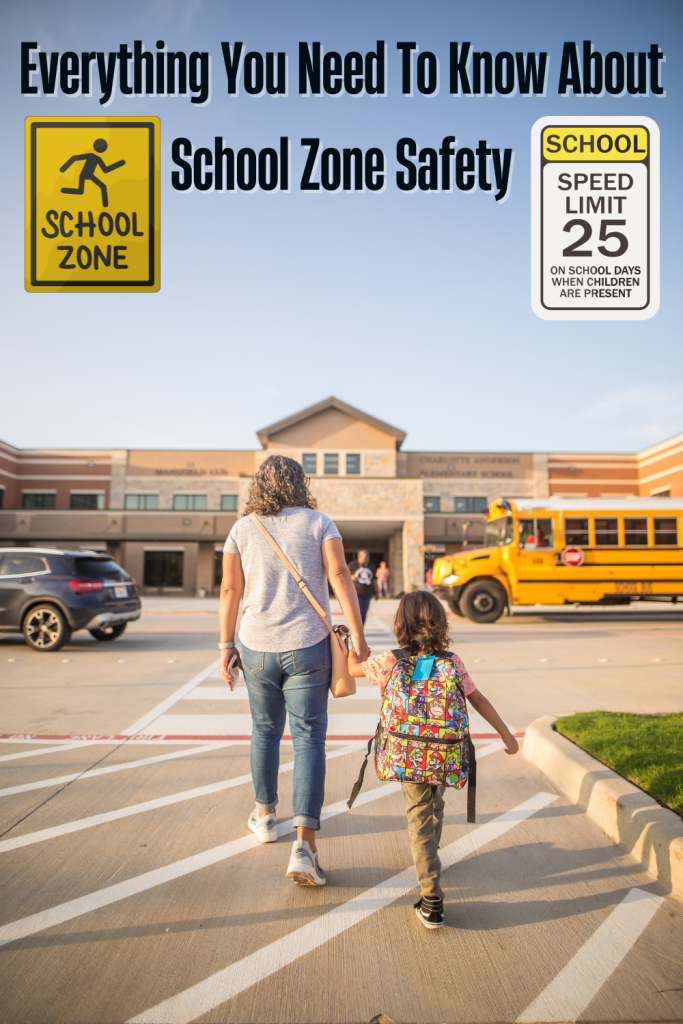
In this post, we will talk about everything you need to know about school zone safety. With back-to-school time upon us, the time for drivers to pay attention to school zone safety is now.
School zones present unique traffic challenges, and drivers need to obey speed limits and maintain situational awareness as much as possible.
Everything You Need To Know About School Zone Safety
Keep reading for information regarding school zone safety.
Why Speed Limits and School Zones Matter
Pedestrian accidents are on the rise throughout the country. In 2021, Oklahoma saw nearly 800 pedestrian accidents resulting in 104 deaths.
School zones tend to be the most pedestrian-dense areas of many communities during peak hours, particularly after school lets out for the day.
Younger children are especially less experienced at the basic attentiveness needed for following best practices like locating and using crosswalks, watching for traffic, and walking briskly without running.
Likewise, kids are often smaller, presenting a challenge for drivers in identifying them. Impetuous behavior, such as chasing after friends, also creates hazards.
Consequently, the law mandates that school zones have lower speed limits. This gives drivers who obey the rules more time to react to pedestrians.
A 15-mph limit is common during school hours, and many zones are limited to no more than 35 mph at other times. Also, school zones are typically subject to higher penalties for drivers who commit violations.
Common Hazards in School Zones
School zones are distraction-rich environments. People are more likely to use cell phones because they’re sorting out arrangements. Parked cars create visibility issues for both their own drivers and folks trying to navigate around them.
Large school buses can obscure views, too. People in school zones are often trying to get somewhere, such as after-school activities or home, and that can make them more distracted even when they have their eyes on the road.
Other vehicles also pose hazards. Many vehicles are turning, increasing the odds of a sideswipe or T-bone accident in a school zone.
Safety Measures
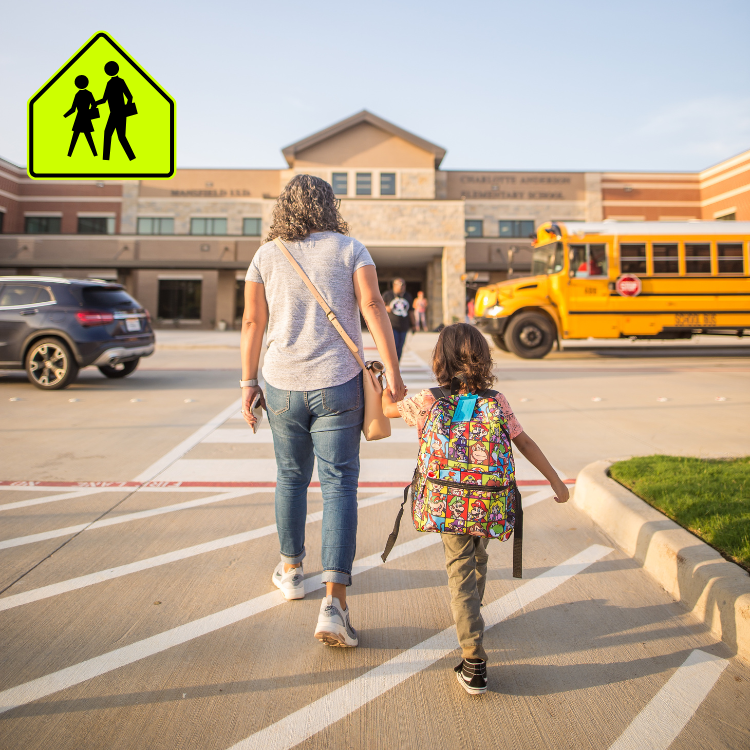
Beyond speed limits, other safety measures include crossing guards, flashing signs, speed bumps, and well-defined crosswalks. Schools and parents also frequently teach crossing safety to kids.
Many police departments dispatch units to watch school zones. Cameras are frequently present thanks to both the school’s security and the simple number of people with cell phones. Parents or older kids frequently escort little ones to make sure they observe safety rules, too.
Responsibility
Drivers and schools are responsible for making a school zone as safe as possible, regardless of the challenges. A culture of safety is essential.
Do not just slow to approximately the speed limit in a school zone. Stay under the speed limit. Know the hours when the lower speed limits are in effect, too.
If you’re in an unfamiliar school zone, be especially cautious while driving. Never assume that a young pedestrian will obey the crossing rules, either.
Also, assume the worst in all situations. Flashing lights on signs may stop working. Bad weather can introduce scenarios where you may need to slow down even more. If you have a kid in your vehicle, make sure they’re properly restrained according to your state’s child safety seat laws.
Drivers need to refresh their safety skills during the back-to-school period. If you or a loved one were a victim of a pedestrian or vehicle accident in a school zone, know the rules and your rights. Seek counsel if you believe you might have an injury claim based on the negligence of a driver or even the school district.
PIN IT!