This post is about the top 5 benefits of chicken tunnels for your backyard coop. Keeping chickens safe, active, and healthy can feel like a challenge, but chicken tunnels make it simple. Chicken tunnels give backyard flocks more space to roam while staying protected from predators and garden damage.
They act as secure pathways that connect coops, runs, or even different parts of the yard, creating a controlled way for chickens to enjoy fresh air and natural foraging.
These tunnels also bring flexibility for the keeper. By moving or rotating them, chickens can explore new areas without overgrazing one spot. For those considering larger setups, options like large chicken tunnels for sale provide a durable way to give flocks more room while keeping management simple.
Anyone raising chickens will see the difference in behavior and health when they spend time exploring these secure spaces. Natural scratching, pecking, and movement all support a happier and more productive flock, making chicken tunnels one of the smartest additions to a backyard coop.
Key Takeaways
- Chicken tunnels expand safe outdoor space
- They support healthier, more natural flock behavior
- Simple designs make them easy to build and manage
Top 5 Benefits Of Chicken Tunnels For Your Backyard Coop
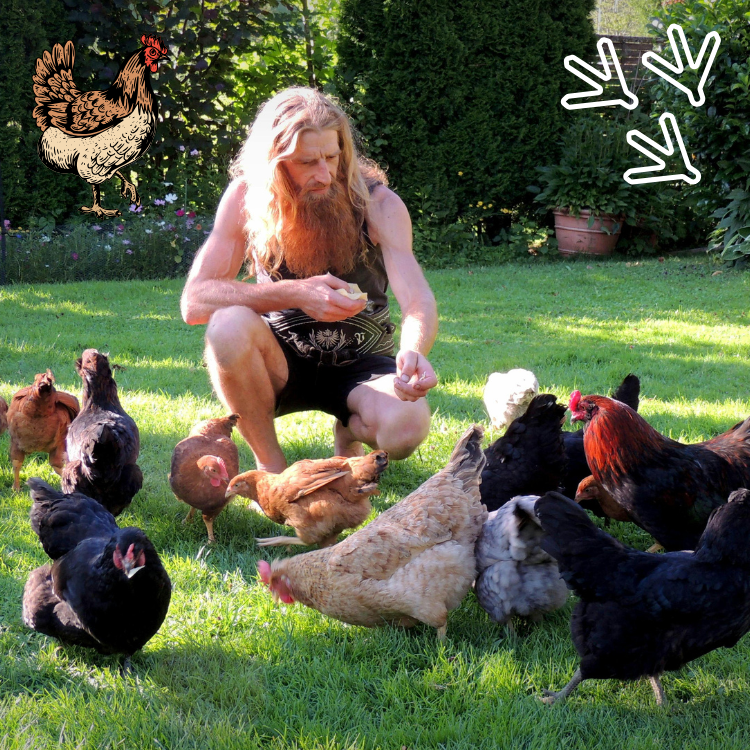
Chicken tunnels give backyard chickens a safe way to explore while also helping the garden and soil. They protect birds from predators, reduce pests, improve soil health, and make better use of space in a backyard farm or homestead.
Enhanced Chicken Safety & Predator Protection
Backyard chickens face threats from hawks, raccoons, dogs, and other predators. A chicken tunnel, also called a chunnel, creates a covered pathway that shields them as they roam. The wire or mesh design blocks attacks from above and keeps the flock from wandering into unsafe areas.
Unlike free-ranging, tunnels let chickens explore without the risk of disappearing into neighbors’ yards or wooded areas. This setup gives owners peace of mind while still providing their birds with outdoor activity.
For many small homesteads, tunnels act as a balance between safety and freedom. Chickens stay active and curious, but the risk of loss from predators drops significantly.
Natural Pest & Weed Control In The Garden
Chickens scratch, peck, and hunt for bugs as part of their daily behavior. When guided through garden beds with a chicken tunnel, they naturally target pests like beetles, grubs, and grasshoppers. This reduces the need for chemical sprays and supports healthier crops.
They also eat weed seeds and young sprouts, which helps limit unwanted plant growth. By directing tunnels along garden rows, owners can focus this natural pest control where it’s most useful.
This method works well for backyard farms that want both eggs and a productive garden. Chickens provide food and protection for plants at the same time.
Improved Chicken Health & Enrichment
Chickens get bored when kept in a small run. Boredom often leads to feather pecking and stress. A chicken tunnel encourages movement, scratching, and exploration, which keeps them stay active and engaged.
The variety of sights, smells, and insects in different parts of the yard provides mental stimulation. This type of enrichment supports healthier flocks with fewer behavioral problems.
Health benefits also include stronger muscles and better digestion since they are moving more and eating natural forage. For backyard chickens, this simple setup creates a more balanced daily life for your dear chickens.
Efficient Fertilization & Soil Improvement
Chicken manure is high in nitrogen, which makes it a strong natural fertilizer. When birds travel through tunnels placed near garden beds, they leave droppings directly in the soil. This adds nutrients without needing store-bought fertilizers.
As chickens scratch, they also help break down organic matter and mix it into the ground. This improves soil structure and supports better root growth for vegetables and flowers.
By rotating tunnel placement, owners can spread nutrients evenly across the yard. This practice turns a flock into a moving fertilization system that benefits the entire homestead. Pretty cool, right?!
Maximized Space & Flexible Chicken Management
Backyard farms often have limited space. Chicken tunnels make better use of areas along fences, between garden beds, or around the yard’s perimeter. Birds gain more room to roam without taking over the main garden or lawn.
Tunnels can be permanent or moveable. Moveable chunnels give owners control over where chickens go, which helps protect certain crops while opening other areas for foraging.
This flexibility makes it easier to manage both chickens and gardens in the same space. It allows for a more organized setup that supports both egg production and healthy plants.
Practical Considerations for Building & Using Chicken Tunnels
Building a chicken tunnel requires attention to the right materials, proper design, and secure installation. Each choice affects how well the tunnel protects the flock, how easy it is to maintain, and how long it will last in a backyard setting.
Choosing Materials: Chicken Wire, Welded Wire, & Hardware Cloth
The type of wire used makes a big difference in safety and durability. Let’s take a closer look at the most popular ones, below:
Chicken wire is lightweight and inexpensive but not strong enough to stop predators. It works best as a secondary layer rather than the main frame.
Welded wire is sturdier and comes in different gauges. A 2×4 welded wire panel can hold its shape and resist bending, making it a good option for the main tunnel frame. It also handles weather better than chicken wire.
Hardware cloth is the most secure choice. With its small openings, it prevents predators like raccoons, snakes, and mink from reaching inside. It costs more but provides the best protection when used for high-risk areas near the chicken coop or run.
A simple comparison:
| Material | Strength | Predator Protection | Cost | Best Use Case |
| Chicken Wire | Low | Low | Low | Secondary cover |
| Welded Wire | Medium | Medium | Medium | Tunnel frame |
| Hardware Cloth | High | High | High | Secure sections |
Design Ideas: DIY, Movable, & Big Chicken Tunnels
A DIY chicken tunnel can be built with basic tools and wire fencing. Many backyard keepers use 4-foot sections connected with zip ties, which makes it easy to expand later. DIY designs allow flexibility around gardens, fences, or chicken runs.
A movable chicken tunnel works well with a chicken tractor. These lightweight tunnels let chickens clear weeds or pests in different garden beds. Moving them also prevents worn-out ground and gives birds fresh areas to forage.
A big chicken tunnel is useful for larger flocks. Wider and taller tunnels let roosters and heavier breeds move comfortably. Taller tunnels also reduce feather damage when birds brush against the top. Planning the size around the largest bird in the flock avoids future adjustments.
Installation Tips: Zip Ties, Chicken Fence, & Deer Netting
Simple tools can make tunnel installation easier. Zip ties are strong, cheap, and quick for attaching wire sections together. They also allow easy repairs if a section loosens.
Anchoring the tunnel is just as important. A chicken fence or garden fence can serve as a boundary to attach one side of the tunnel. Digging the base a few inches into the soil or weighing it down with bricks helps prevent chickens from digging out.
Some keepers add deer netting or plastic mesh over the top to keep wild birds out. This reduces the risk of disease and keeps feed from attracting unwanted visitors. Covering gaps and securing edges with landscaping staples or buried wire adds another layer of safety.
Chicken tunnels give backyard flocks more room to move without damaging gardens or lawns. They allow chickens to forage safely while staying protected from predators.
By rotating tunnels, owners can keep grass trimmed and let soil recover between uses. This setup also supports natural pest control and adds nutrients back into the ground.
The structures are simple, space-efficient, and keep chickens active throughout the day. For many keepers, they strike a balance between free-ranging and maintaining order in the yard.