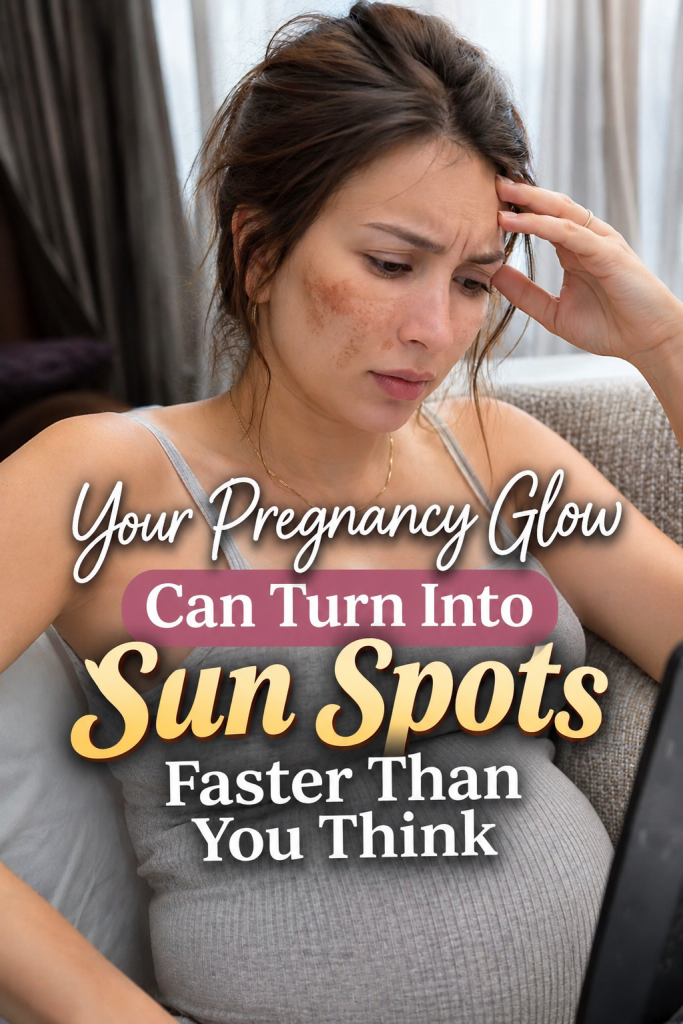
Pregnancy can bring that much-talked-about glow, but it can also introduce a few skin changes you might not expect. Hormonal shifts can make dark patches and uneven skin tone more noticeable, especially with regular sun exposure.
And your pregnancy glow can turn into sun spots faster than you think. Understanding the connection between pregnancy skincare and tanning can help you make better choices as your skin continues to change.
The good news is that simple habits, like wearing sunscreen and keeping your skincare routine gentle, can go a long way. You can still feel good about your skin without putting too much pressure on yourself to keep that pregnancy glow perfect.
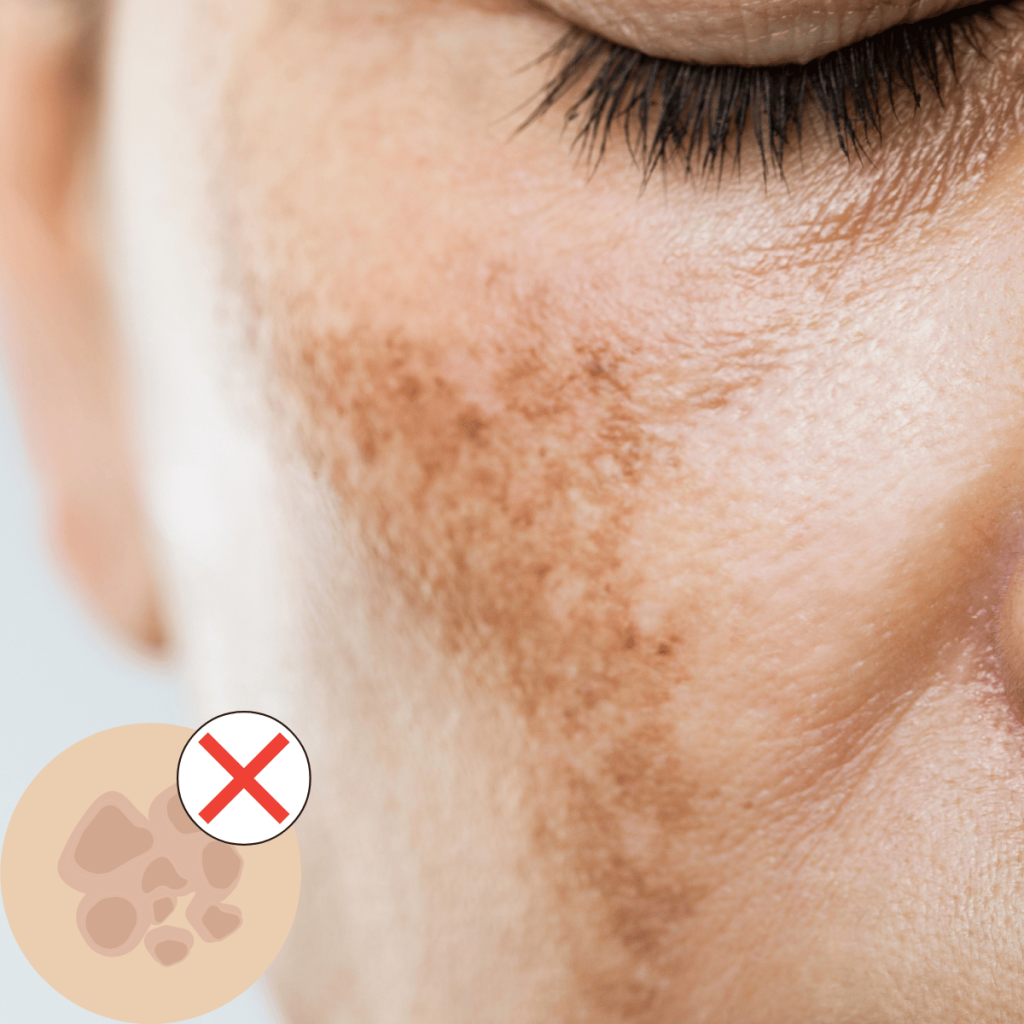
Why Pregnancy Can Change the Way Your Skin Reacts to Sunlight
Pregnancy brings hormonal changes that can increase melanin production, making dark patches and uneven skin tone more noticeable than usual.
This is why some expecting mothers develop melasma, often called the pregnancy mask, which commonly appears on the cheeks, forehead, and upper lip. Spending time in the sun can make these patches darker, so protecting your skin daily is especially important during pregnancy.
The Difference Between Pregnancy Glow & Sun Spots
That pregnancy glow often gives your skin a brighter, healthier-looking appearance, but sun spots and other forms of pigmentation can create darker, uneven patches.
Hormonal changes during pregnancy can also trigger melasma, which usually appears on the cheeks, forehead, or upper lip and may become more noticeable after sun exposure.
If you notice new or changing spots, protecting your skin and checking with a dermatologist can help you understand what is happening and how to care for it.
Why Sun Exposure Can Make Dark Spots More Noticeable
Sun exposure can make dark spots more noticeable because UV rays stimulate melanin production, which may deepen existing pigmentation and contribute to an uneven skin tone.
During pregnancy, hormonal changes can make your skin more prone to developing patches, especially on areas like your face that get regular sun exposure.
Making sunscreen, shade, and protective clothing part of your daily routine can help reduce further darkening and keep your skin better protected.
Simple Ways to Protect Your Skin During Pregnancy
Protecting your skin during pregnancy does not have to mean buying lots of new products or following a complicated routine. A few simple daily habits can help minimize sun-related pigmentation, keep your skin comfortable, and support a healthy-looking complexion.
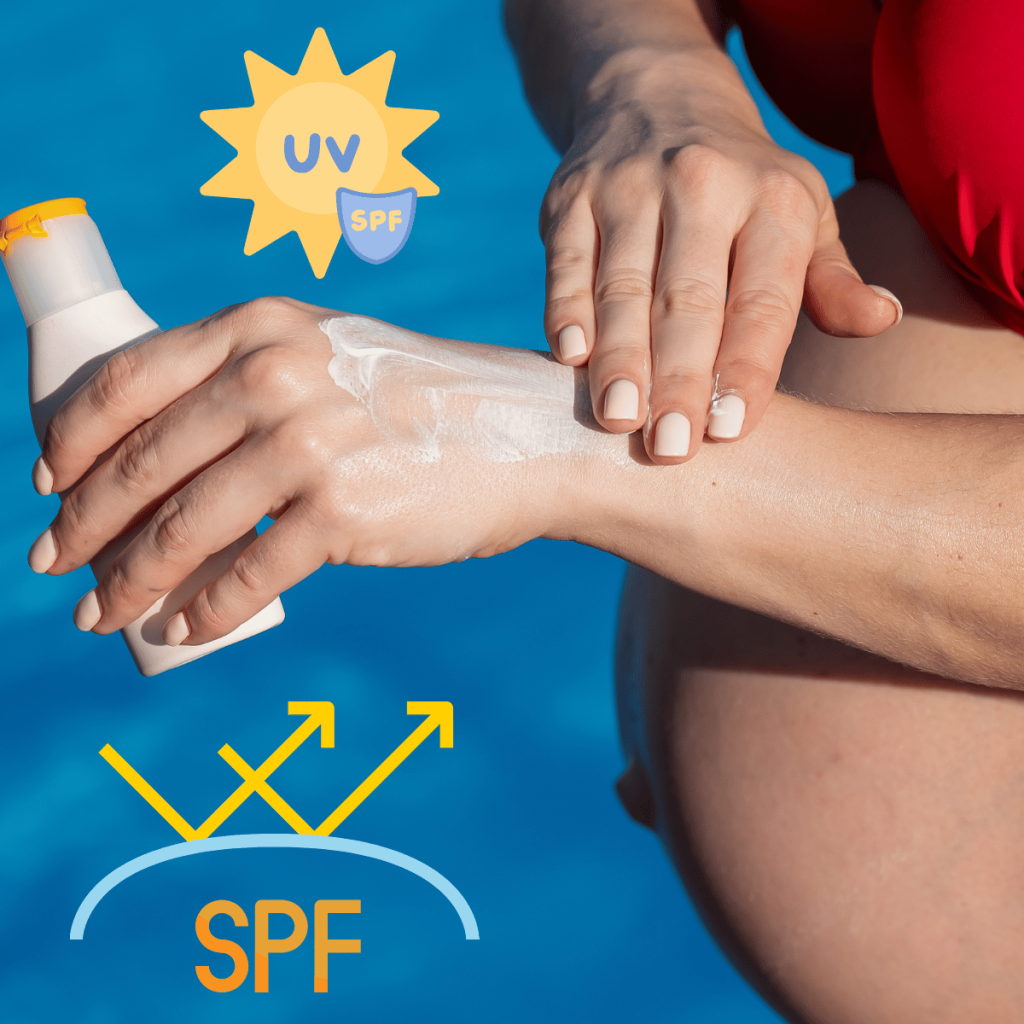
Choose Broad-Spectrum Sunscreen
Make broad-spectrum sunscreen with SPF 30 or higher part of your morning routine, as it helps protect against both UVA and UVB rays . Mineral sunscreens containing zinc oxide or titanium dioxide are often a practical option to consider during pregnancy, especially if your skin feels more sensitive than usual. Remember to reapply every two hours when outdoors and after swimming or sweating.
Make Shade and Protective Clothing Part of Your Routine
Sunscreen works best when you combine it with other ways to limit direct sun exposure. Wear a wide-brimmed hat, choose lightweight clothing that covers your shoulders and arms, and seek shade when spending time outside. These small adjustments can make a difference, particularly during the middle of the day when sunlight is strongest.
Keep Your Skincare Routine Gentle
Pregnancy can bring changes in skin sensitivity, so this may be a good time to stick with a gentle cleanser, a moisturizer, and daily sunscreen. Avoid introducing several new products at once, especially strong exfoliants or brightening treatments without checking whether they are appropriate for pregnancy. If you are unsure about an ingredient, ask your healthcare professional or dermatologist before adding it to your routine.
What to Know About Tanning Products While You Are Pregnant
If you want a bronzed look during pregnancy, sunless tanning products may seem like a convenient alternative to spending time in the sun, but it is still important to check the ingredients and application method.
When looking for a pregnancy safe self tanner, remember that there is limited research on the use of some tanning ingredients during pregnancy, so it is best to consult your healthcare professional before trying a new product. Keep in mind that self tanners do not protect against UV rays unless they also contain sunscreen, so daily sun protection is still essential.
How to Approach Self Tanning When You Are Expecting
If you love a sun-kissed look, you do not necessarily have to give it up during pregnancy, but it is worth being cautious about the products and methods you choose.
Check the ingredients, speak with your healthcare professional before trying a new tanning product, and avoid spray tans if you cannot prevent inhaling the mist or getting it in your eyes, nose, or mouth. Whatever option you consider, remember that a self tan does not replace sunscreen, so keep protecting your skin from UV exposure every day.
Conclusion
Pregnancy brings plenty of skin changes, but a simple routine and daily sun protection can help you care for your complexion without adding unnecessary stress.
When it comes to pregnancy skincare and tanning, making informed product choices and checking with your healthcare professional can help you feel more confident about what you use. Remember, your skin does not have to be perfect to glow, so focus on keeping it healthy, comfortable, and well cared for.
PIN IT
Leave a Reply