Facial ageing does not always show up as one obvious wrinkle. Sometimes the bigger change is gradual: the cheeks look flatter, the skin feels less firm, or the lower face seems less supported.
That can make choosing an aesthetic treatment surprisingly difficult, because restoring volume is not always the same thing as improving the skin and underlying tissue.
If you are researching sculptra in Singapore, it helps to look beyond the treatment name and understand what you are actually trying to change. Poly-L-lactic acid (PLLA) treatments are designed around gradual collagen stimulation rather than simply adding immediate volume.
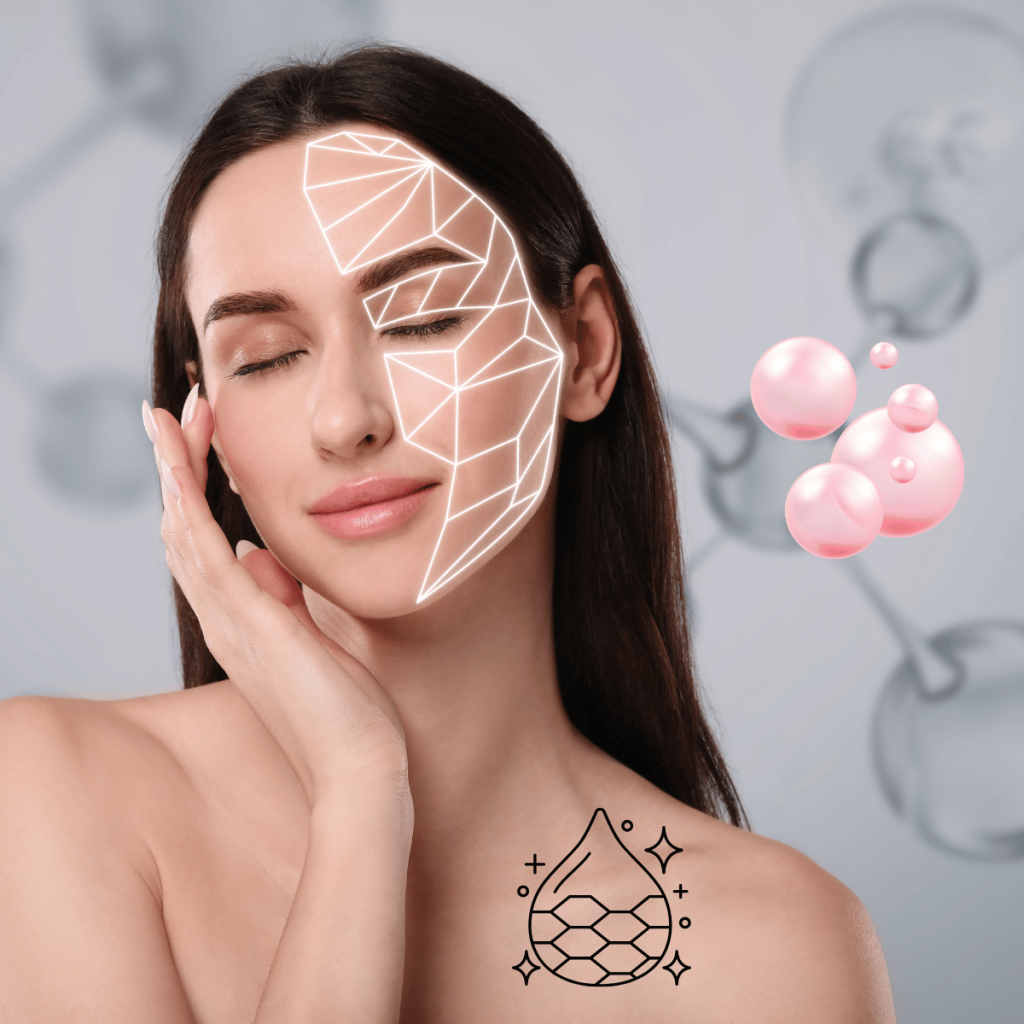
Start With The Problem
The first useful question is not, Which injectable should I get? It is, What has changed about my face? If one area has lost definition, a volume-focused treatment may make more sense.
If the concern is broader facial deflation, softer skin and reduced support across several areas, a collagen-stimulating approach may be considered instead.
That distinction matters because a treatment that adds volume can change shape immediately, while a collagen stimulator aims for a slower change in tissue quality and support. The two approaches may look similar on a treatment menu but work quite differently.
Understand The Delayed Result
One of the less obvious trade-offs with PLLA is that patience is part of the treatment. After treatment, temporary fullness can occur from the fluid used to prepare the injectable.
That early change is not the same as the eventual collagen response. As the temporary fullness settles, the visible result develops more gradually over the following weeks and months.
This creates a useful decision rule: if your priority is an immediate change for a specific event, a gradual collagen-stimulating treatment may not match your timeline. If you are comfortable judging the result over a longer period, its gradual nature may fit your goal better.
Think Beyond One Session
Another common mistake is treating collagen stimulation like a one-off appointment. A typical PLLA treatment plan may involve several sessions spaced weeks apart, with the exact schedule depending on factors such as facial anatomy, skin condition and the individual’s response.
For example, imagine someone notices general loss of cheek support rather than one clearly defined hollow. Rather than trying to create a dramatic change in a single visit, a staged plan allows the doctor to assess the response before deciding whether further treatment is appropriate.
That staged approach can be particularly important because PLLA cannot simply be dissolved in the same way as a hyaluronic acid filler. The decision about product, amount, placement and timing therefore deserves careful planning.
Know What It Cannot Fix
Collagen stimulation is not a universal solution for every facial concern. PLLA may be considered for areas affected by diffuse facial volume loss and reduced structural support, including parts of the mid-face, temples, jawline and lower face. However, some delicate areas, such as the lips and tear troughs, require different considerations because of their anatomy.
This is where generic treatment lists can be misleading. Seeing an area mentioned online does not automatically mean it is appropriate for you.
Before choosing a treatment, ask whether the concern is actually caused by collagen loss, volume loss, muscle activity or a combination of factors. The answer can change the treatment plan considerably.
Compare Mechanisms Not Marketing
When comparing injectable treatments, focus on what they are designed to do rather than which one sounds newer or more advanced. A conventional hyaluronic acid filler uses a gel to provide volume and can be useful when the objective is targeted contouring or restoration.
A PLLA collagen stimulator works through a different mechanism, encouraging the body’s own collagen response over time. Neither difference makes one approach automatically suitable for everyone. It simply means they solve different problems.
A simple way to frame the choice is:
- Want targeted, immediate volume? Discuss a volume-focused option.
- Want gradual improvement in broader facial support? Ask whether collagen stimulation is appropriate.
- Unsure what is causing the change? Start with an assessment rather than choosing the injectable first.
Plan Around Safety & Fit
Injectable treatments still involve medical risks, even when the procedure is non-surgical. Temporary swelling, redness, bruising, tenderness and firmness can occur, while less common complications can require medical attention.
Your medical history also matters. Allergies, active skin infections, previous injectable treatments, scarring history and other health factors may affect whether a treatment is appropriate.
This is why a consultation should be more than a discussion about price or the number of syringes. A doctor should first understand your facial structure, skin condition and desired outcome, then explain what can realistically be achieved and what alternatives may be worth considering.
If you want to explore those options with SOL Aesthetic Medical Clinic, its clinic information can be a useful starting point before arranging a consultation.
The most useful way to approach collagen-stimulating treatments is to think in terms of the problem you want to solve, not simply the product you have seen online.
If your concern is gradual loss of firmness or facial support, understanding how PLLA works, how long results take and why treatment may be staged can help you have a much more productive consultation.
Leave a Reply