Let’s talk about exploring national parks after dark with kids! There’s something special about watching your child experience nature after sunset.
Their wide eyes. Their quiet questions. The way they instinctively hold your hand just a little tighter. Exploring national parks after dark creates the kind of memories that stick, the ones they’ll tell their own kids about someday.
But it’s not as simple as going for a walk in the dark. There are real things to consider, such as lighting, temperature changes, and how quickly little legs can tire. Still, with the right prep, the night can become a safe and magical part of your family’s time outdoors.
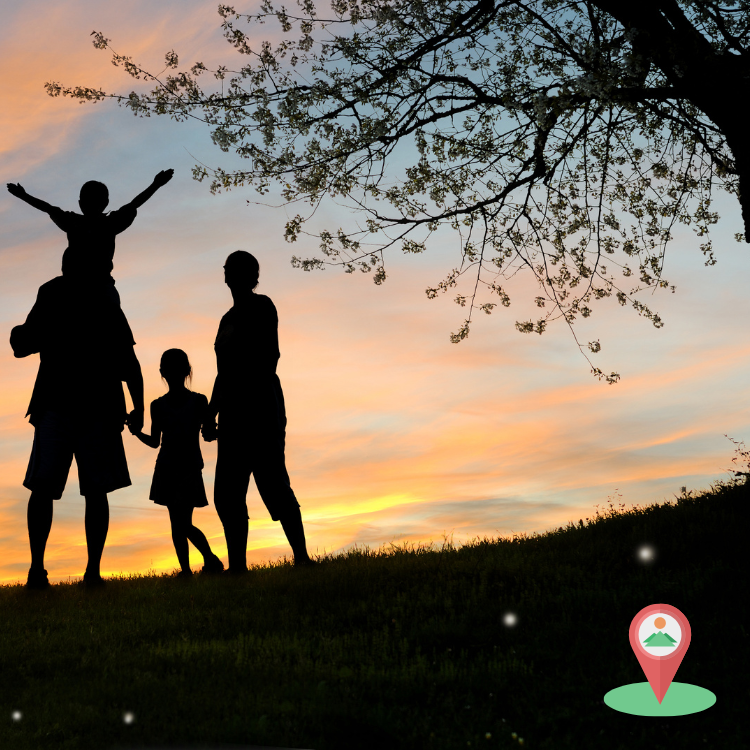
Exploring National Parks After Dark With Kids
In this article, you’ll find straightforward tips on exploring national parks after dark with kids, to help you enjoy safe fun with your kids, as the sun is setting, in any national park.
Check Park Rules Before You Go
Before you head out with the kids, check park rules. Some areas close to visitors after sunset. Others allow limited access with restrictions. Certain trails may be off-limits at night, and rangers may have guidance based on animal activity or recent weather.
It’s tempting to wing it, but nighttime rules in national parks exist for good reasons. These include safety, wildlife protection, and preserving natural quiet.
Talk to rangers ahead of time. They often have the best tips for safe spots to explore in the evening, and they’ll tell you what to avoid.
Bring the Right Lights
Lighting can make or break your nighttime experience. You’ll want just enough to move safely without blinding everyone in the group.
A hands-free headlamp is a great option. It keeps your hands free for balance or guiding your child and can be adjusted to a softer beam when needed. Look for models with a red light setting, which helps preserve night vision and doesn’t disturb wildlife.
Kids love having their own light too. A small headlight made for children adds fun and independence, and it keeps them engaged during the walk.
For peace of mind, it helps to buy from a trusted supplier that focuses on outdoor-specific gear, so you know the light will hold up when it matters most.
Choose Kid-Friendly Locations
Stick to trails that are flat, familiar, and not too long. Even kids who are enthusiastic in daylight can get nervous once the trees close in and the stars come out.
An open field, a lake overlook, or a campground nature trail is often enough to give them that sense of adventure without going too far.
If it’s your first time doing anything after dark with young kids, start small. Ten minutes of stargazing just outside your tent can be just as memorable as a two-mile hike in the woods.
Dress for Cooler Night Temps
Even in summer, once the sun sets in the park, temperatures drop fast. What felt warm at dinnertime can turn chilly within the hour. Make sure each kid has layers they can add easily, like sweatshirts, jackets, or even lightweight gloves if you’re at higher elevations.
Also, avoid cotton. It doesn’t dry quickly if they sweat or get damp, and wet clothes can get dangerously cold. Go for quick-drying, breathable materials. Keep a backup layer in your daypack just in case.
Stay Close, Stay Together
Kids tend to wander when they’re curious and at night, which can turn risky in seconds. Agree on a plan before you start. Decide who’s walking where, who’s carrying what, and what to do if someone needs to stop.
Try to keep kids in the middle of the group if you’re walking a trail. Make a habit of head counts, especially after breaks. For younger children, glow stick bracelets or reflective patches can help you spot them easily without creating too much extra light. Always set clear boundaries. No one wanders off alone, even for just a second.
Make the Night Fun and Engaging
Nighttime in the park isn’t just about walking quietly in the dark. Turn it into a real experience. Bring along a simple stargazing app, teach the kids to listen for frogs or owls, or tell a quick story under the stars.
Let your child lead part of the walk or hold the map. Small tasks make them feel involved and help keep them focused. And if you’re lucky enough to be there during a full moon, consider turning off the artificial lights for a while and allowing your eyes to adjust. A moonlit trail can feel magical and perfectly safe if the terrain is smooth and well-maintained.
Some of the most unforgettable moments you’ll share with your kids in a national park can happen when the world gets quiet and the stars come out.
Whether it’s just a short walk after dinner or a planned night hike, exploring after dark has a way of turning the familiar into something special.
With the right gear, clear boundaries, and a little flexibility, nighttime adventures can become part of your family’s favorite outdoor memories. The kind that stays with you long after the trail ends.