In this article, we will talk about what can affect the timing of perimenopause in women. Perimenopause doesn’t arrive on a predictable schedule. For some, it starts in their early 40s, and for some, it doesn’t start until later.
Others don’t notice symptoms like hot flashes until their late 40s or early 50s. The shift feels different for everyone, and you might wonder why your experience doesn’t match your sister’s, mother’s, or friend’s.
The answer lies in a combination of factors that can either delay or accelerate the start of this transition. From the genes you inherited to the lifestyle choices you make every day, multiple elements shape when your body begins to wind down its reproductive years.
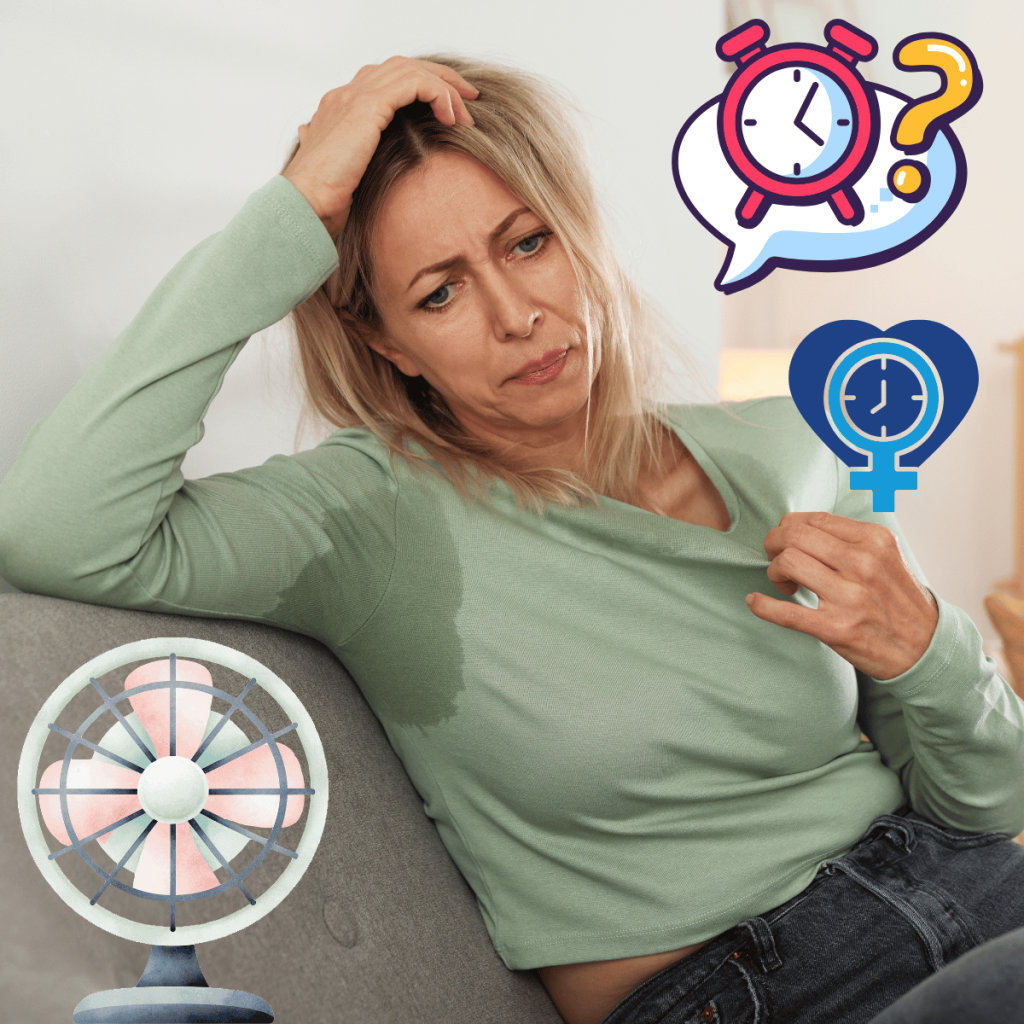
What Can Affect The Timing Of Perimenopause In Women?
Understanding these influences clarifies what to expect and helps you prepare for the changes ahead. Below, we go over them.
What Is Perimenopause & When Does It Typically Start?
Perimenopause is the transitional phase before menopause. Your ovaries gradually produce less estrogen, and your periods become irregular. The process can last anywhere from a few months to more than a decade.
Most doctors define menopause as the point after you’ve gone 12 consecutive months without a period. Perimenopause is everything that leads up to that moment.
Questions about when perimenopause starts often arise when periods, sleep, or other familiar patterns begin to change. For example, one person may first notice irregular cycles, while another notices night sweats or disrupted sleep.
These experiences can start at different ages and vary in intensity, so comparing yourself to a friend or relative can’t tell you where you are in the transition. Discussing new symptoms with a healthcare provider can help clarify whether perimenopause or another cause needs to be considered.
Your body doesn’t follow a script. Two people born on the same day can start perimenopause years apart. Biology sets the general timeline, but your specific experience depends on a mix of factors that scientists continue to study. Recognizing this variability helps you approach your own transition with realistic expectations.
Genetic Factors That Influence When Perimenopause Starts
Your genes play a powerful role in determining when perimenopause begins. If your mother started her transition at 42, you’re more likely to follow a similar pattern. Research shows that the age at which your close female relatives experienced menopause is one of the strongest predictors of your own timeline.
Specific genetic variations affect how your ovaries age. Scientists have identified multiple gene markers associated with earlier or later menopause.
These genes influence everything from the number of eggs you were born with to how quickly your ovarian reserve declines. You can’t change your DNA, but you can use your family history as a guide.
Ethnicity also matters. Studies suggest that Black and Latina people often enter perimenopause earlier than their white or Asian counterparts, though individual variation remains high.
These differences likely involve both genetic and environmental factors. Your genetic blueprint doesn’t guarantee an exact outcome, but it provides a framework for what you might expect.
How Lifestyle Choices Impact Perimenopause Timing
The way you live can shift the onset of perimenopause by several years. Certain habits accelerate ovarian age, while others like exercising and eating healhier may help protect your reproductive timeline. The evidence points to several modifiable factors that deserve your attention.
Smoking, Weight, & Diet Connections
Smokers typically enter perimenopause one to two years earlier than nonsmokers. Tobacco contains chemicals that damage ovarian follicles and reduce estrogen production.
The more you smoke and the longer you’ve smoked, the greater the effect. If you quit smoking, you can slow some of this damage, though you can’t reverse years of exposure.
Body weight also influences timing. People with very low body mass index often experience earlier perimenopause. Extreme exercise combined with low-calorie intake can disrupt hormone production and hasten ovarian decline. On the flip side, very high body weight and obesity have been linked to later onset in some studies, though the relationship is complex.
Your diet matters too. Diets high in refined carbohydrates and processed foods may contribute to earlier perimenopause, while diets rich in fish, legumes, and antioxidants might delay it slightly. Nutritional deficiencies, particularly in vitamin D and omega-3 fatty acids, can affect reproductive hormone balance.
Medical & Surgical Factors That Trigger Early Perimenopause
Certain medical interventions can bring on perimenopause much earlier than expected. Surgical removal of the ovaries causes immediate menopause, regardless of your age.
Removal of the uterus alone (hysterectomy) doesn’t stop hormone production, but it can sometimes lead to earlier perimenopause because the surgery may affect blood flow to the ovaries.
Chemotherapy and radiation therapy for cancer can damage the ovaries and deplete egg reserves. The younger you are at the time of treatment, the better your chances of maintaining ovarian function.
Still, many people experience early perimenopause or premature menopause after cancer treatment. The type and dose of chemotherapy determine the degree of risk.
Autoimmune diseases can attack the ovaries and cause premature ovarian insufficiency. Conditions like thyroid disease, lupus, and rheumatoid arthritis have all been associated with earlier menopause.
Chronic illnesses that create systemic stress may also affect timing. If you have a history of certain infections or pelvic surgeries, your perimenopause timeline may differ from the average.
Environmental & Stress-Related Influences on Timing
Your environment exposes you to chemicals that can disrupt hormone function. Endocrine disruptors found in plastics, pesticides, and personal care products interfere with estrogen and other reproductive hormones.
Studies have found associations between exposure to chemicals like phthalates and bisphenol A (BPA) and earlier menopause. You can reduce exposure by choosing glass over plastic, selecting organic produce, and reading product labels carefully.
Chronic stress affects your entire endocrine system. Prolonged high cortisol levels can interfere with ovarian function and may influence when perimenopause begins.
The research is still emerging, but stress management appears to support overall hormone health. People who experience high levels of psychological stress or trauma may face different timelines.
Socioeconomic factors matter as well. Access to healthcare, nutrition, education, and safe living environments all contribute to reproductive health.
People with lower socioeconomic status often experience earlier perimenopause, likely due to a combination of stress, environmental exposures, and limited access to preventive care. Your environment shapes your biology in ways both visible and invisible.
The timing of perimenopause reflects a blend of factors you inherit and factors you control. Your genes set the foundation, but your lifestyle, medical history, and environment all leave their mark. You can’t stop the transition, but you can make choices that support your health through it.
Pay attention to your body, know your family history, and talk with your healthcare provider about what to expect. The more you understand about what influences your timeline, the better prepared you’ll be for the changes ahead.
This article is for informational purposes only and does not constitute medical advice, diagnosis, or treatment. Always consult your healthcare provider or licensed pharmacist before changing, stopping, or replacing any prescribed medication.
Medication alternatives and compounded formulations may not be suitable for everyone and should only be used under professional medical supervision.
Availability, safety, and effectiveness may vary depending on individual health conditions and treatment needs. Never discontinue a prescribed medication without medical guidance, as doing so may lead to serious health risks.
Leave a Reply