In this post, we will talk about what every teen should know about driving and accidents. This is so important, so if you have teen drivers, please keep reading!
According to a report by the AAA Foundation for Traffic Safety and data from the National Highway Traffic Safety Administration, older teen drivers experience three times more crashes than their adult counterparts.
They’re involved in more fatal crashes in general than drivers from any other age group except older senior citizens. Internal and external factors put them at higher risk.
What Every Teen Should Know About Driving and Accidents
Read on to learn more about what every teen should know about driving and accidents.
What’s Going on in Their Heads?
Teenagers have greater difficulty than adults with maintaining their focus while driving because of the rapid physiological changes they go through before adulthood.
They’re often distracted by cognitive- and mood-altering changes that make handling disruptions from technology and pressure from their peers more difficult.
For example, a teen driver might think it’s okay to answer a cell phone or eat while behind the wheel. They might decide to show off for passengers.
Some teens feel they can take risks because they think nothing will happen to them or that an action others might consider risky is fine.
Teens often feel anxiety while driving because of the newness of the experience. Many teens feel heightened levels of stress and negative self-talk because of the incredible responsibility they face handling heavy machinery near other vehicles and vulnerable road users. Additionally, they often worry about making mistakes.
Other Factors That Cause Teen Accidents
Teenagers must deal with normal everyday driving issues, such as tailgating in congested traffic and angry adult drivers who make them feel intimidated and inadequate. Weather and seasonal conditions can make navigation difficult and reduce visibility.
Teens who don’t know how to drive defensively often have crashes because they’re not prepared enough for domesticated and wild animals and other road users who behave erratically or make mistakes. They’re also least prepared to handle nighttime driving conditions and heavy weekend traffic.
That said, the biggest problems for teen drivers usually occur near the end of the school year and over the summer. At school, teens drive near peers who don’t have a lot of experience.
They often care more about summer plans than traffic. From mid-to-late summer, more teens become first-time drivers than at any other time of the year. As a result, their crashes cause an average of seven fatalities daily.
How Can Parents Help Their Teens Prevent Accidents?
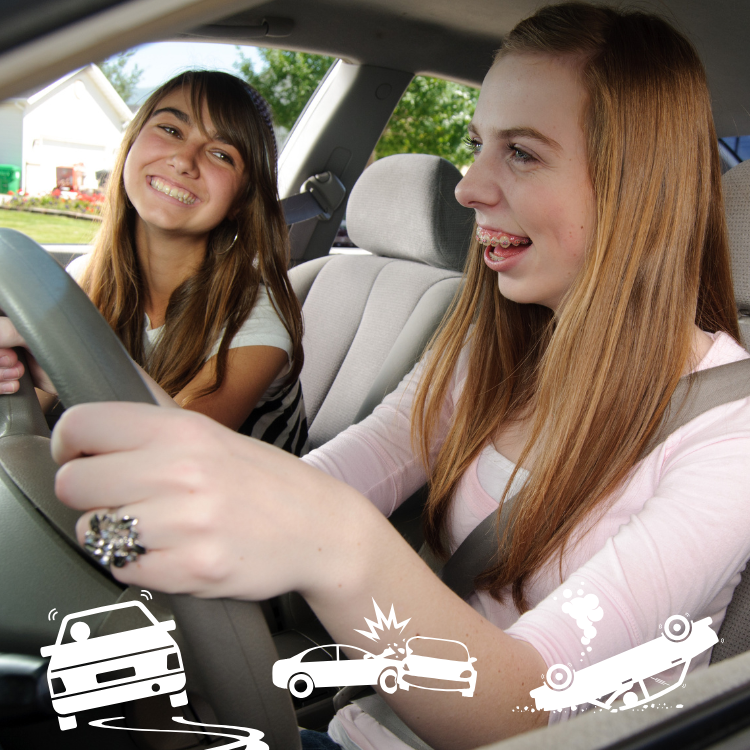
Due to the risks to inexperienced drivers, many states, including North Carolina, have graduated drivers’ license programs, which restrict teens from driving at night or with multiple passengers. Parents should always ensure their child is following these rules.
Also, it’s important that parents and guardians speak in ways that help teen drivers feel that their experiences are normal and they’re not alone. Parents should teach teens their personalized methods for optimal motor vehicle usage.
They should provide verbal instructions and repeated hands-on training that includes coverage of car maintenance and appropriate use of the steering wheel and seat belt.
They should teach teens how to use high beams and road markers to drive safely at night and drive defensively, keep two car lengths behind another vehicle, and flow with traffic in bumper-to-bumper conditions.
They also need to teach teens important life lessons. For example, they need to explain that drivers should never cross the center median between one-way highways.
This is because of an often unseen dip that can cause a car to become stuck or roll and that floods create an illusion of low water. For wet and winter conditions, they need to show how to realign a car caught in a spin.
Of course, they also need to explain the physiological reasons teens have accidents and craft methods to help them work around changes, such as emphasizing that teens need to learn how to slow down and resist engaging in risky behaviors. They also need to emphasize that they might be personally held responsible if their teen causes an accident.
Steps to Take When an Accident Happens
Parents and guardians rightfully feel panic after a car accident. They usually feel the impulse to angrily address the situation with their teen.
Instead, they should calmly discuss the possible causes of the accident, any fault on the teen’s part, the outcome in terms of potential legal proceedings and reduced driving privileges, and preventative solutions for the future.
If the teen had a previous accident, they need to positively address past improvements and offer additional solutions, such as more hands-on instruction and professional driver education and safety courses.
For teenagers experiencing anxiety or trauma, they should invest in counseling and other therapies. Do you have a teen driver? What are some ways you have helped your teen become a safer driver?
PIN IT!