In this post, we will talk about what your favorite flavor says about your personality! A few studies link flavor preferences to personality traits: spicy food to sensation seeking, sweet tastes to agreeableness, and bitter tastes to some darker traits.
The effects are small and describe averages, not individuals. Genetics, culture, and exposure explain far more about taste than personality and true character do, so flavor quizzes are best treated as entertainment.
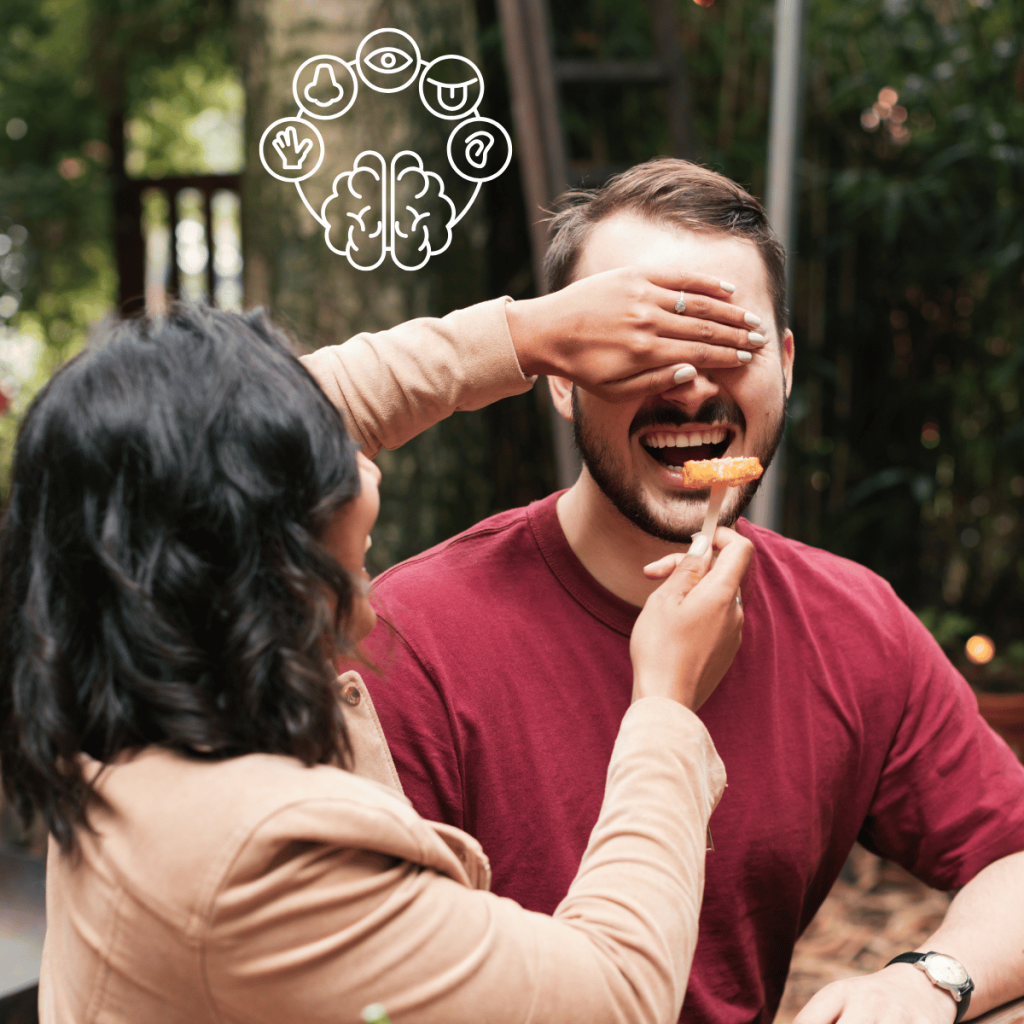
Can Your Favorite Flavor Really Reveal Your Personality?
Flavor and personality quizzes are everywhere. Ice cream chains, coffee subscriptions, snack brands, and adult-only retailers that sort products such as a premium nicotine salts and e-liquid collection by flavor family all use some version of the idea that what you like says something about who you are. The format is popular because it is fun, easy to share, and flattering, as most personality descriptions are.
The research behind it is thinner than the quizzes suggest, and psychologists have still found a handful of genuine, measurable links between taste preferences and personality traits.
Those links are small, appear across large groups rather than in any single person, and mostly say more about how people respond to intensity and novelty than about character in a broader sense.
Understanding what the studies actually found, and where they stop, is the difference between an interesting conversation about taste and a horoscope with a menu attached.
Which Flavor Preferences Have Been Linked to Personality?
Three lines of research have produced the most cited results. The table below summarizes them.
| Preference | Linked trait | Study |
| Spicy food | Sensation seeking and sensitivity to reward | Nadia Byrnes and John Hayes, Penn State, 2013 |
| Sweet tastes | Higher agreeableness and helpful behavior | Brian Meier and colleagues, North Dakota State University, 2012 |
| Bitter tastes | Small associations with Machiavellianism and everyday sadism | Christina Sagioglou and Tobias Greitemeyer, University of Innsbruck, 2015 |
The spicy food findings are the most consistent. People who enjoy the burn of chili are also more likely to enjoy roller coasters, travel and new experiences, which psychologist Paul Rozin has described as “benign masochism”: enjoying a sensation the body reads as threatening because the mind knows it is safe.
The sweet and bitter results drew more headlines than the evidence supports. The effects were modest, the samples were mostly from one country, and later researchers have pointed out that personality explained only a small share of the differences in taste.
Why Do People Over-Read Their Own Tastes?
Personality descriptions feel accurate even when they are vague. In 1949, psychologist Bertram Forer gave his students what he said were individual personality profiles, then revealed that everyone had received the same text, assembled largely from horoscopes. Students rated it as highly accurate.
The pattern, now called the Forer or Barnum effect, explains why “chocolate lovers are warm and generous” feels true to most people who like chocolate.
People also notice the evidence that fits. Someone who reads that spice lovers are adventurous will remember every bold choice they have made and forget the cautious ones. The description becomes self-confirming, which makes it feel like insight.
Taste itself is also more fixed by biology than most people realize. Linda Bartoshuk’s research at Yale identified “supertasters,” people with more taste buds who experience bitterness and other tastes more intensely.
Variants of the TAS2R38 gene shape how strongly people detect certain bitter compounds. A person who dislikes black coffee or kale may simply taste more bitterness than the person beside them, which says little about their character.
Where Does Flavor Psychology Become Entertainment?
Most flavor personality content online goes far beyond the research. A quiz that assigns a personality type to every ice cream flavor, or links a favorite fruit to a career path, has no study behind it. That does not make it harmful, but it does make it entertainment rather than science.
Culture and exposure also outweigh personality for most preferences. People usually like what they grew up eating and what they have tried repeatedly.
Psychologist Robert Zajonc showed in 1968 that repeated exposure alone makes people like things more, a pattern known as the mere exposure effect. Someone’s favorite flavor often reflects where they lived and what was on the table more than any trait.
The fair conclusion is that flavor preferences can hint at how a person responds to intensity, novelty, and risk, especially where spice is involved. Beyond that, a favorite flavor is mostly a favorite flavor, shaped by genes, habits and memories, and best enjoyed without reading too much into it.
Frequently Asked Questions
Does liking spicy food say anything about personality?
Somewhat. Research from Penn State linked enjoyment of spicy food to sensation seeking, but the association is modest and does not apply to every individual.
Is there science behind flavor personality quizzes?
Very little. A few studies found small links between taste and personality, but most quizzes go well beyond what the research shows.
Why do some people hate bitter flavors?
Genetics plays a large role. Variants of the TAS2R38 gene make some people far more sensitive to certain bitter compounds.
Can your favorite flavor change over time?
Yes. Repeated exposure, new experiences, and changes in taste sensitivity with age can all shift preferences across a lifetime.
Leave a Reply