Today we will talk about why physiotherapy deserves a spot in your regular wellness routine. People often consider physiotherapy only after an issue arises.
Such as a sprained ankle, a sore back, or a shoulder that has been different ever since the last time you went to the gym. Typically, we will wait and see if it improves on its own.
Only when the pain becomes unbearable and impacts our day-to-day lives do we consider booking an appointment. However, physiotherapy can help prevent injuries and maintain your body’s ability to function normally throughout your life.
More Than Just Injury Recovery
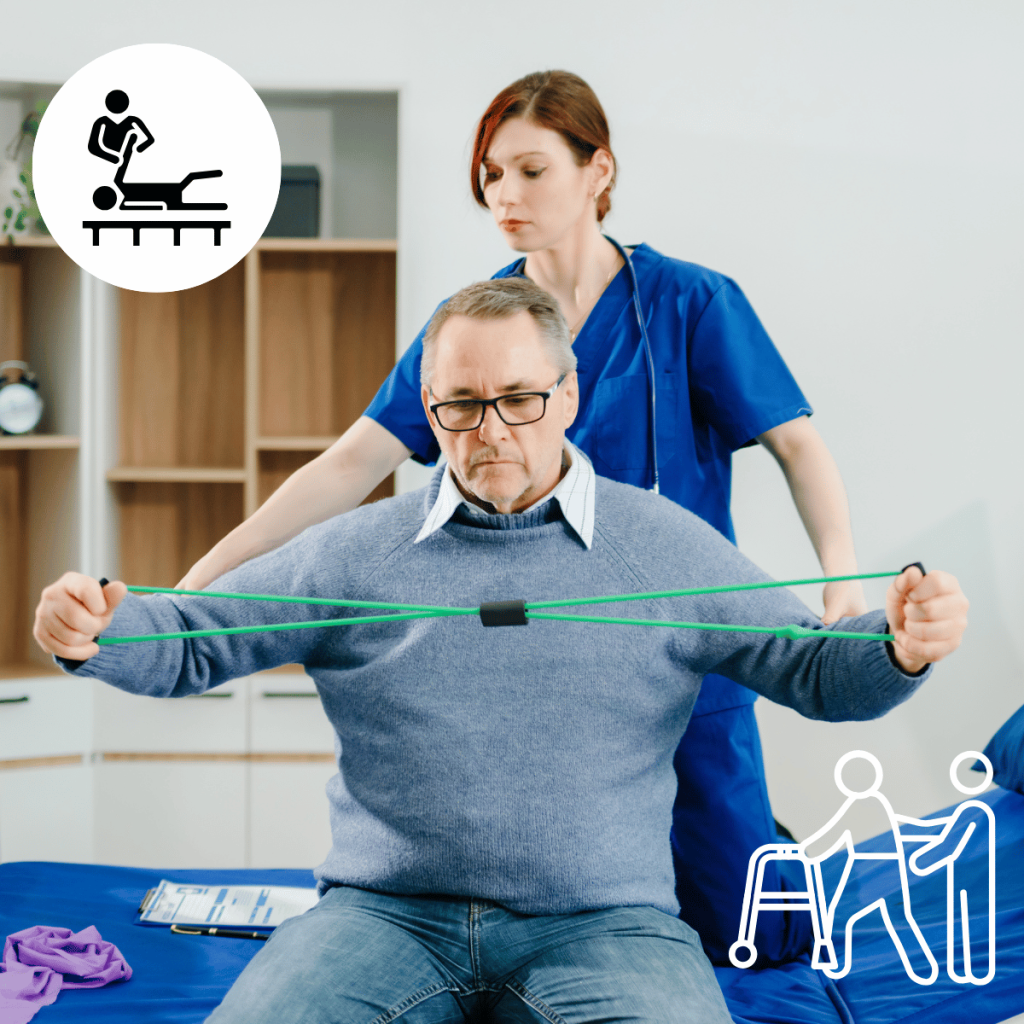
Many people use physio, not just athletes recovering from a torn ligament. Many people use it, including office workers with stiff necks, parents, older adults, and people who have had surgery or been inactive for an extended time.
The objective is straightforward. A physical therapist evaluates the way you move, identifies the limitations of your movement, and develops an individualized plan to enhance your strength, flexibility and overall functional ability. Rather than solely treating the pain you are experiencing, the emphasis is placed on identifying what caused the pain to begin with.
Why The Right Clinic Makes A Difference
Not all care feels the same. A good clinic takes time to listen, explains what’s happening in plain language, and tailors the plan to your lifestyle rather than handing you a generic sheet of exercises. If you live nearby, a trusted Mississauga physiotherapy clinic can be a great starting point, offering hands-on treatment and guided rehabilitation under one roof.
Look for a place where you feel comfortable asking questions. Progress is much easier when you understand your plan and trust the person guiding you through it.
What To Expect From Your First Visit
The initial consultation can be nerve-wracking, however, the majority of people find the process very relaxed. During the initial consultation, expect to discuss your health history, current lifestyle, and goals for therapy. After discussing these topics, the physical therapist will examine your posture, range of motion, and muscle strength.
At that point, you will usually be given a course of action which could involve hands-on treatment, specific exercises, and useful tips for managing symptoms both at home and in the workplace. Your appointment shouldn’t end with you being uncertain about what is happening with your body or what you need to do next.
Consistency Beats Intensity
The biggest mistake that people make is thinking that there is an immediate solution. Healing takes time, and the exercise that you do at home is equally important as the work that we are doing together. Consistent movement of ten minutes daily will produce better results for you than one large workout on a weekly basis.
Active Physiotherapy and other providers of similar services provide an emphasis on the same type of gradual, individual treatment plans, as well as developing long lasting habits, which will continue after the patient has had his/her last appointment. The long-term perspective is what distinguishes temporary relief from true recovery.
Everyday Habits That Support Your Body
You can start helping yourself right now with a few small changes:
- Take breaks from sitting: Stand up and stretch at least every hour if you spend most of your day sitting.
- Strengthen your core: A stable midsection takes pressure off your back and hips.
- A short warm-up: prior to beginning an exercise program can reduce the chance of experiencing muscle strain.
- Lift properly: Keep the item near you, use your legs to bend down, and do not twist as you move.
- Rest when needed: Recovery is part of progress, not a sign of weakness.
Don’t Wait For The Pain To Get Loud
When our bodies are trying to tell us something is wrong, we can often hear a whisper before a shout. For example, if you’re experiencing a persistent stiff neck, an ache in your lower back that won’t go away, or simply have the feeling that some part of your body is not moving as freely as it once did, you should listen.
If a problem lasts for more than a few weeks, or if you find yourself waking up at night due to pain or finding that the pain is limiting what you’re able to do, then it may be time to seek medical attention.
Early treatment of minor health issues is often less complex, more efficient, and has fewer interruptions than when the same minor issue escalates into a major problem.
The Bottom Line
Physiotherapy is more than just emergency care. It is a cost-effective way to manage your health and well-being. Physiotherapy provides the support needed whether you have been injured, are living with a chronic disease or want to continue to remain active throughout your life. Every day, your body carries you through. If you pay a bit of attention to it now, you can continue to do this with ease for many years to come.
Leave a Reply