In this post, we will talk about common breastfeeding aches and how to feel better. Bringing a new baby home fills one with joy, tiredness, and so many things to learn. Some new moms have achy breasts when they feed their baby. These aches can feel like a full spot, a sharp sting, or even a deep throb.
While it is normal to feel this way when nursing, it can still hurt. Understanding why this pain is happening can ease your mind or let you know if you need to see a doctor.
Just as a baby bottle washer makes feeding simpler by lessening stress, knowing the common causes of breast pain when nursing can end confusion and bring ease during the busy days of being a mom.
Common Breastfeeding Aches And How To Feel Better
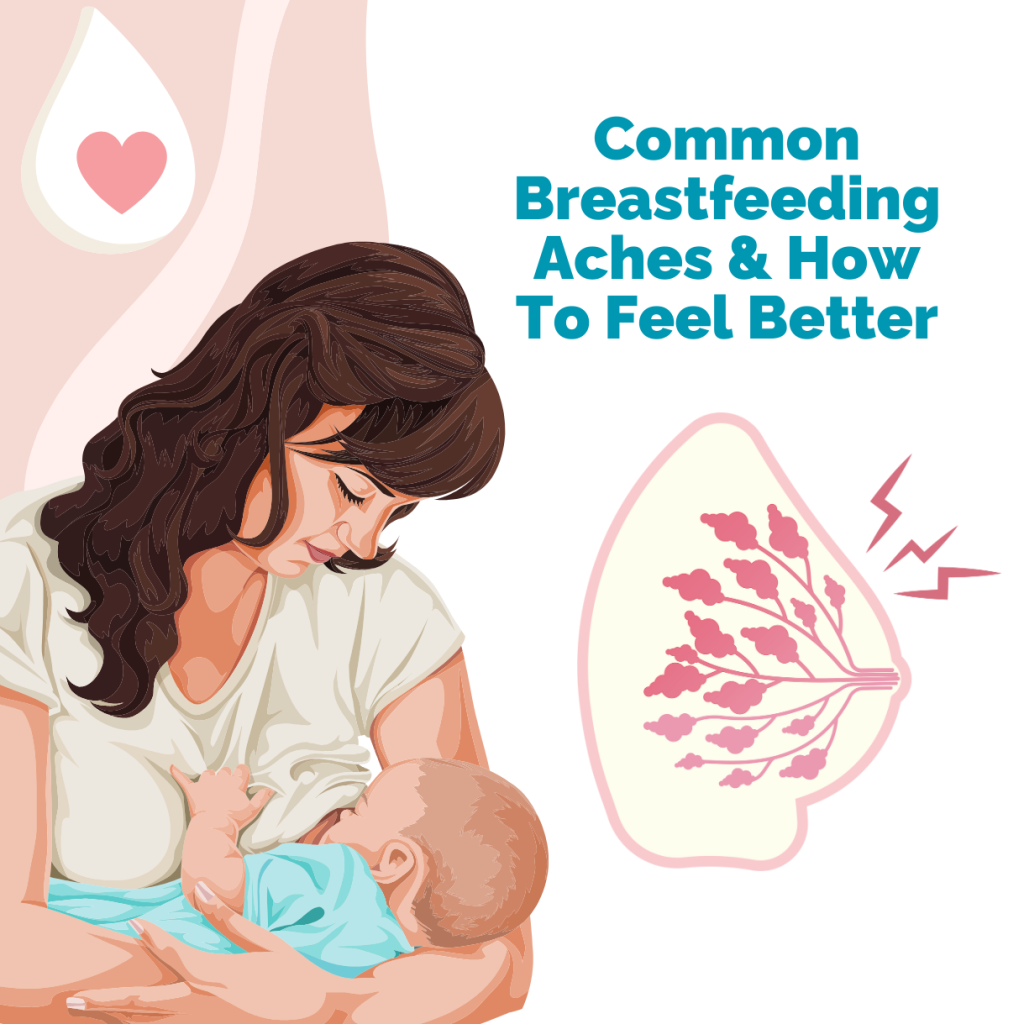
Let’s go over the common breast pains women have and how nursing Moms can alleviate the discomfort.
Is Breast Discomfort Normal While Breastfeeding?
A bit of breast discomfort or aches is normal, and is often at the start of nursing. The breasts gets used to making milk, how the baby eats, and the feel of sucking. But if the pain in the breast lasts or is really uncomfortable for you, then don’t ignore it.
Pain could mean a small issue, like too much milk, or a big worry, like an infection. Knowing what is okay and what’s not helps moms take good care of themselves!
Engorgement: When Your Breasts Feel Too Full
When too much milk fills the breasts, they get really uncomfortable and sometimes ‘hard‘ feeling. This often starts soon after a baby is born, when the milk first arrives, or if a feed is skipped. The breasts may feel heavy, tight, and warm. This can hurt and make it hard for the baby to latch on properly.
Here are some tips to help:
- Feed your baby often, about every 2 to 3 hours.
- Rub your breasts softly before feeding to get the milk moving.
- Put warm pads on your breasts before and cold ones after to lessen swelling.
- If the baby can’t latch, take out some milk by hand or with a pump.
Letdown Reflex And Aches
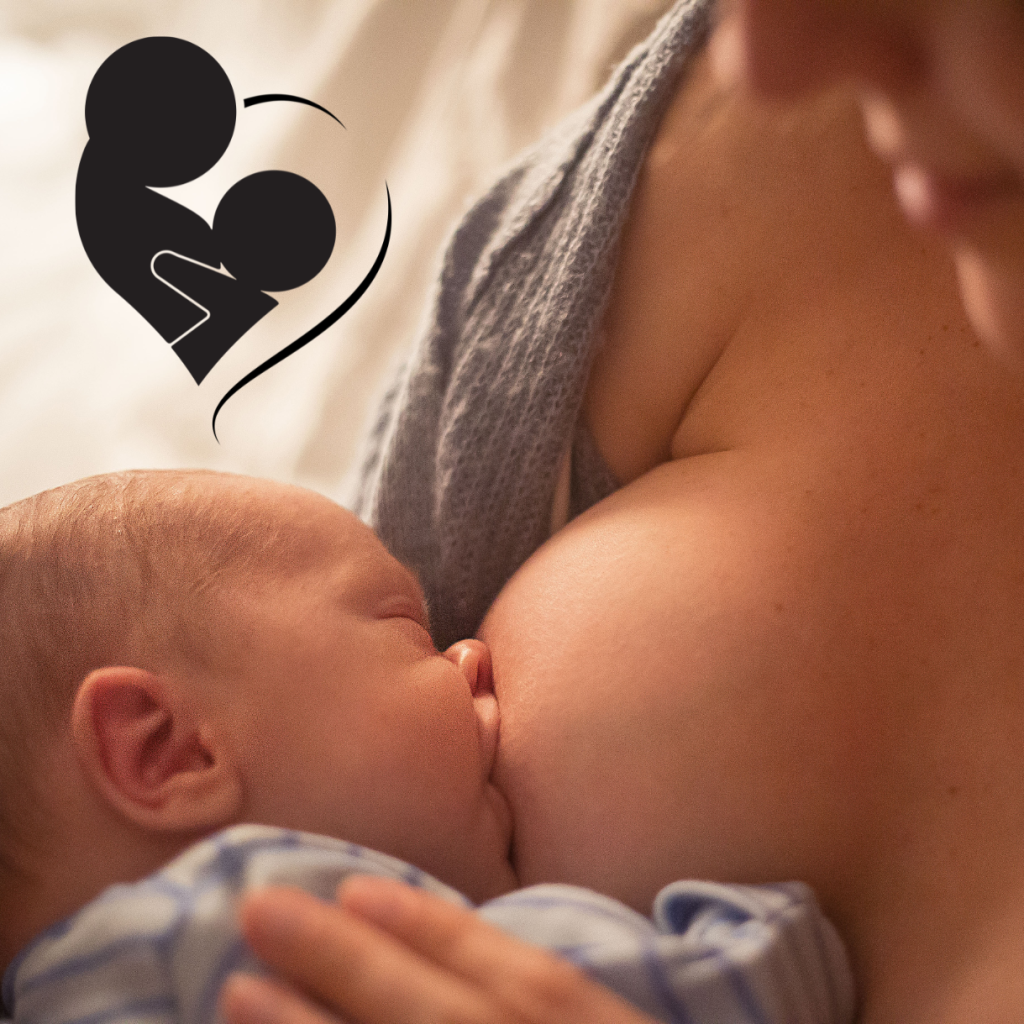
The letdown reflex is how the body moves milk from the ducts to the nipple when the baby begins to suck. For some moms, this feels like a tingle or pins-and-needles feeling. For others, it might cause a short or sharp pain.
This pain often gets less as the body gets used to it, but if it stays, it might mean too much milk or quick letdown, which can also make feeding tough for the baby. Changing how you hold the baby and taking out some milk before the baby latches on may ease the hurt or discomfort.
Clogged Milk Ducts: Early Signs And Relief Tips
A blocked milk duct is a big cause of discomfort in the breast when nursing your baby. It comes up when milk can’t flow well in part of the breast, making a soft, sore lump. This spot may feel painful, hard, or hotter than the rest of the breast.
Ways to feel better:
- Keep feeding your baby on the side that hurts to clear the block.
- Turn your baby so their chin points at the blocked spot. This helps empty it.
- Rub the bump softly when you feed or pump milk.
- Use warm pads and change how you are sitting while nursing
If you don’t take care of it, a blocked duct might lead to mastitis, so it is really important to try and take care of it quickly. I have had mastitis more times than I can count! It was so painful and it made me feel like crap. Not fun! See more details about Mastitis, below!
Mastitis: When Breast Pain Comes With Fever
Mastitis is an infection of the breast tissue, and it most often affects people who are breastfeeding. It often leads to:
- Sharp pain in one part of the breast
- Red and swollen area on the breast
- Signs like fever, chills, and being very tired
If you think you have mastitis, you should talk to a doctor soon. You might need medicine, but you should still keep breastfeeding or pumping to help the milk move right. Yep, it is important to nurse through the pain to help the milk to keep flowing.
Thrush Or Infection: Sharp, Burning Pain In The Breast
Another cause of breast pain might be thrush, a yeast issue that can hit both mom and babe.
Signs of it are:
- A sharp, hot pain in the breast while feeding or after,
- Glossy or peeling skin near the nipple,
- White spots in the baby’s mouth.
Most times, both mom and baby need meds to kill the fungus to prevent them from getting sick again. Good cleaning, like making sure pacifiers are germ-free and washing feed gear with a baby bottle washer, can also help keep thrush away.
Nipple Trauma That Leads To A Deep Breast Ache
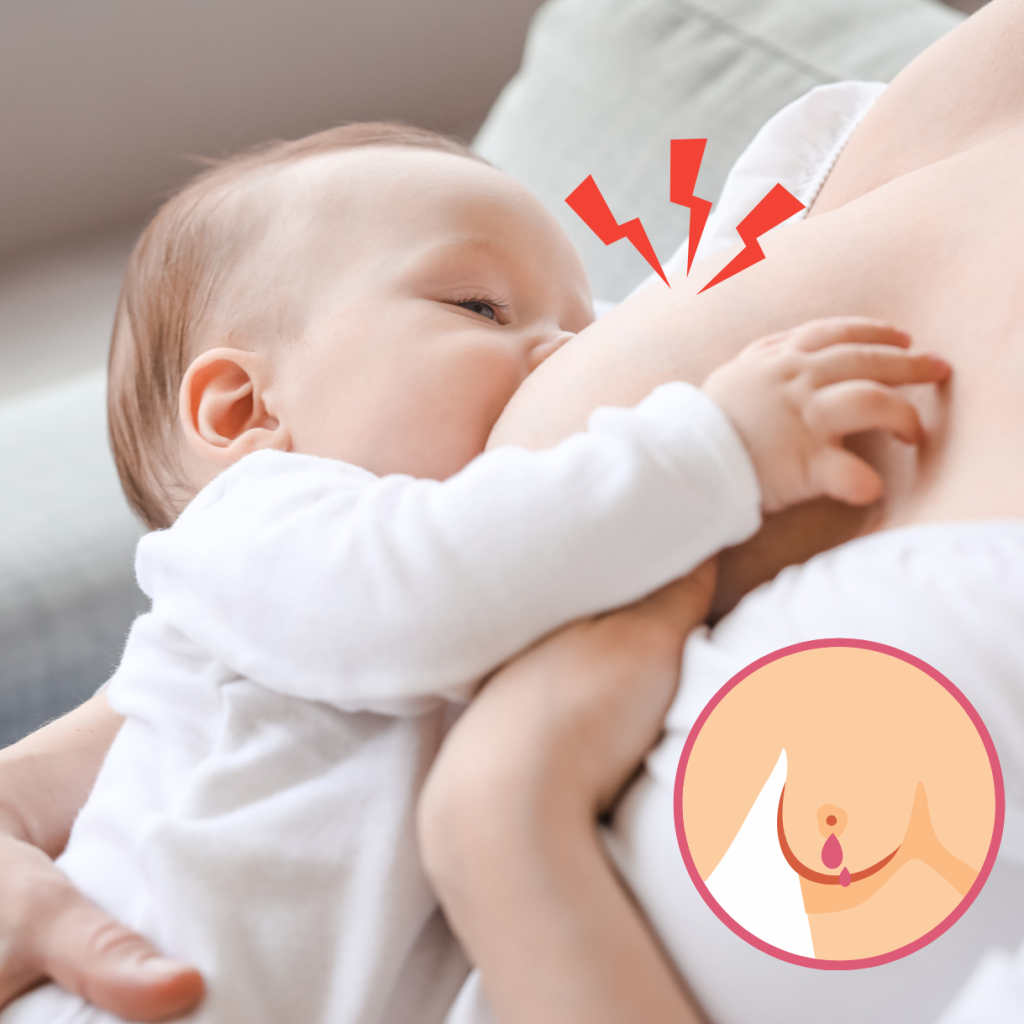
Poor latching, biting, or frequent use of pumps with the wrong flange size can cause nipple trauma. Cracked, sore nipples not only hurt at but can also create deeper breast pain as the milk ducts become irritated.
Relief tips:
- Work with a lactation consultant to improve the baby’s latch.
- Apply medical-grade lanolin or breast milk to soothe sore nipples.
- Allow nipples to air-dry after feeding.
- Ensure pumping equipment is the correct size and properly cleaned.
When To Call A Lactation Consultant Or Doctor
When you are breastfeeding, some discomfort is normal and you get used to it. But, look out for these bad signs that need a doctor’s care:
- Lumps that stay even after feeding or pumping
- Strong pain that gets worse, not better
- Fever, chills, or feeling sick like you have the flu with breast pain
- Nipples that crack or bleed and won’t heal
- Sharp, burning pain that lasts the whole time you feed
Lactation consultants can help with how your baby latches, too much milk, and blocked ducts, but see a doctor if you think it’s an infection or it gets painful. Getting help quickly can stop an infection from becoming worse and causing you more issues in the long run.
Breastfeeding aches and discomfort can be tough to handle, but understanding what’s causing the pain and how to treat it can make a big difference.
Whether it’s from overly full breasts, poor milk flow, blocked milk ducts, or more serious issues like an infection or thrush, each type of breastfeeding pain comes with its own symptoms and solutions.
Taking care of your breasts is just as important as caring for your baby. Just like a bottle washer makes feeding easier, knowing how to relieve breast pain can make breastfeeding more comfortable and easier for moms.
Just remember though, if something feels off, listen to your body! Reach out to a lactation consultant or doctor, and remember, your comfort matters just as much as your baby’s nutrition. With the right support and care, breastfeeding can be a positive and healthy experience for both mom and baby!
PIN IT!