If you have ever wondered what is THC Syrup and how does it work, then this post is for you! If you’ve visited a dispensary or browsed an online CBD shop lately, you may have noticed a new product category popping up alongside gummies and tinctures:
THC syrup. Unlike the infamous “lean” concoction combining cough syrup and soda, THC syrup is a simple syrup infused with cannabis extract.
It’s gaining popularity for its versatility; you can take it sublingually, mix it into beverages, or incorporate it into recipes. For wellness enthusiasts curious about edibles, it offers a smoke‑free way to enjoy cannabinoids with more control over dosing.
But what exactly is in THC syrup, and how does it work? This article breaks down the ingredients, consumption methods, and safety considerations to help you decide whether this sweet elixir deserves a place in your wellness routine.
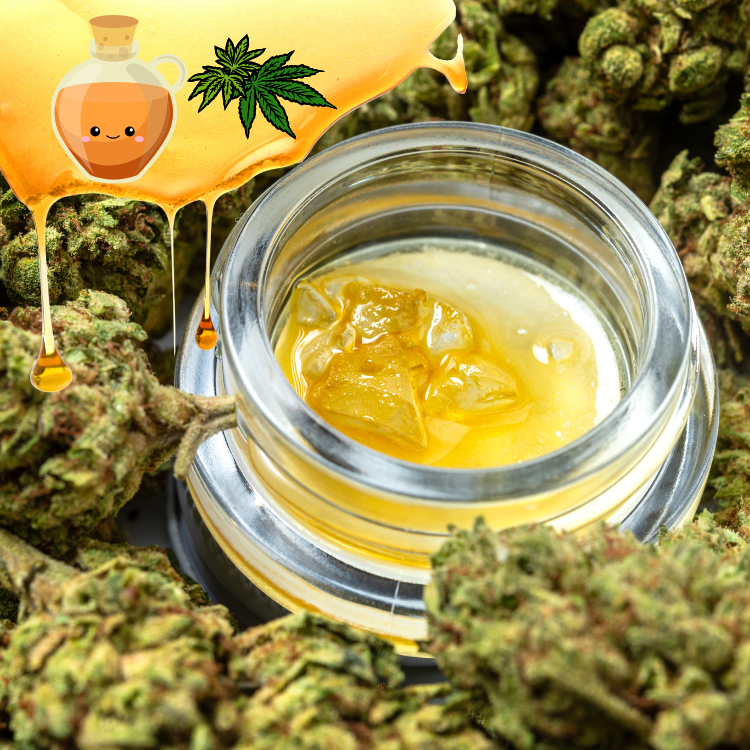
What Is THC Syrup And How Does It Work?
We’ll explore how to shop for quality syrup, ways to use it creatively, and the potential benefits and drawbacks you should know.
What Is THC Syrup and How Is It Made?
At its core, THC syrup is a blend of cannabis extract, sugar, and a carrier like coconut oil or vegetable glycerin. Manufacturers heat sugar and water to create a simple syrup, then infuse it with a concentrated extract derived from cannabis flowers or hemp.
The result is a thick, sweet liquid that can be dosed with a measuring spoon or dropper. Unlike smoking or vaping, which deliver cannabinoids almost instantly, syrup can be absorbed through the mucous membranes under the tongue or digested like an edible.
Because the extract is evenly distributed throughout the syrup, dosing can be more precise than with homemade edibles. However, some products on the market contain high amounts of added sugar.
If you’re watching your sugar intake or have diabetes, read labels carefully and look for options sweetened with low‑glycemic alternatives like agave or stevia.
How Do You Use THC Syrup?
The beauty of Tetrahydrocannabinol syrup lies in its versatility. Here are three common consumption methods:
- Sublingual dosing: Place the desired amount under your tongue and hold it there for 30–60 seconds before swallowing. This method allows cannabinoids to enter the bloodstream directly through tiny blood vessels, offering a faster onset than traditional edibles. Effects may appear within 15–45 minutes.
- Beverage infusions: Stir the syrup into tea, coffee, smoothies, or even mocktails. When swallowed, the syrup must pass through the digestive system, so effects take longer to kick in—usually 45–90 minutes. Because liquids digest faster than baked goods, the onset is still quicker than brownies or cookies.
- Culinary creations: Mix syrup into pancake batter, salad dressings, or dessert sauces. This option lets you get creative in the kitchen, but dosing requires careful math. Measure the total milligrams in your batch and divide by serving size to know how much THC you’re consuming.
Whichever method you choose, start with a small dose—5 mg or less—and wait at least two hours before taking more. Unlike inhalation, edibles build gradually and can surprise you with delayed intensity.
Shopping for Quality: What to Look For
Not all THC syrup is created equal. Because the market is still unregulated, quality can vary widely—and a poor formula can ruin the experience. Keep an eye out for:
- Third-party lab tests: Certificates of analysis verify potency and screen for contaminants like pesticides and heavy metals.
- Transparent ingredients: Whole-plant extracts often provide richer effects than single-compound distillates.
- Reasonable sugar content: Some sweetness is expected, but watch out for overly sugary formulas if you plan on regular use.
- Clear dosing instructions: Labels should always state milligrams per teaspoon or milliliter.
Reputable retailers make this process easier by featuring brands that publish lab results and ingredient details. Online marketplaces such as CBD.co carry a variety of vetted THC syrups, allowing consumers to compare formulas side by side without second-guessing the quality
Potential Benefits and Drawbacks
Fans of syrup appreciate its discretion and flexibility. It offers a smoke‑free alternative for people with respiratory issues and provides a pleasant way to customize dosage. Because you can adjust the amount and method, it’s easier to fine‑tune effects for daytime focus or evening relaxation.
However, there are considerations to weigh:
- Sugar load: Many syrups are high in added sugar, which isn’t ideal for daily wellness routines.
- Variable metabolism: Edible effects vary based on factors like body weight, metabolism, and whether you’ve eaten recently. Expect some trial and error.
- Legality: Cannabis laws vary by state and country. Hemp‑derived syrup may be federally legal in the United States, but potency restrictions apply. Always check local regulations before purchasing.
THC syrup represents an exciting intersection of culinary creativity and cannabis wellness. By understanding what it is, how it’s made, and the best ways to consume it, you can decide if this versatile elixir fits into your routine.
Look for third‑party tested products with transparent labeling, start with low doses, and explore different applications—from sublingual drops to infused mocktails.
With mindful use and attention to quality, Tetrahydrocannabinol syrup can be a flavorful addition to your cannabinoid toolkit.