For families in Idaho, paternity testing, sibling DNA testing, and other biological relationship questions can provide important answers, peace of mind, and clarity about family connections.
Uncertainty may linger for months, affecting relationships and important family decisions. Could a DNA test answer your family’s biggest questions and give the answers everyone has been waiting for?
Understanding how DNA tests work, what they can reveal, and where their limitations lie can help families approach the process with more confidence. Whether the goal is to confirm if you are really related to someone or just to better understand your family history, having accurate information can help you feel confident about what to do next.

Why Accurate DNA Test Results Matter
It helps to understand why the accuracy of a DNA test carries so much weight in situations like these. According to the AABB, the accrediting body that sets the recognized standard for relationship DNA testing in the United States, many U.S. statutes require AABB accreditation for legal relationship tests, and federal agencies require it specifically for immigration and visa cases.
That distinction matters a lot for a family going through something emotionally difficult. When DNA test results could affect important decisions involving custody, inheritance, immigration, or family identity, accuracy absolutely matters.
The results should come from a reliable and trusting source that can stand up not only for personal use, but also in legal or official situations too, if needed.
The Kinds of Family Questions DNA Testing Can Answer
DNA testing covers considerably more ground than most people realize. A handful of common situations where testing brings genuine clarity:
- Paternity questions, whether for peace of mind, a legal proceeding, or establishing a parent-child relationship formally
- Sibling and half-sibling relationships, particularly in blended families working through complex family history
- Grandparent and extended family connections, often used when a parent isn’t available for direct testing
- Prenatal paternity testing, for families who want clarity before a child is even born
Whatever the specific question, the underlying goal is the same: replacing uncertainty with a clear, scientifically reliable answer a family can actually trust.
How DNA Testing Delivers Clarity
With those common situations in mind, here’s what actually happens, step by step, that turns a difficult question into a settled answer.
It Starts With A Properly Collected Sample
The process begins with a simple sample, usually a cheek swab, collected using accredited protocols designed to protect that sample’s integrity from the very first step. This matters because a result is only as reliable as the sample it’s based on, so getting this step right is what everything else depends on.
It Moves Through Accredited Laboratory Analysis
After collection, the sample is analyzed in a laboratory using established scientific procedures to help ensure reliable results. This is particularly important when testing may be used for legal or official purposes.
For families arranging paternity testing, choosing accredited DNA testing laboratories like AlphaBiolabs can provide greater confidence in the testing process. Home-based sample collections may also make DNA testing more convenient and less stressful.
It Ends With A Definitive Result A Family Can Act On
The process closes with a statistically conclusive result, not a probability or a best guess, but an answer specific and definite enough to genuinely end the uncertainty rather than simply narrow it down.
That’s the step where the clarity actually lands. Once a family has an accurate answer in hand, whatever it turns out to be, they’re finally able to make decisions, have honest conversations, and move forward based on fact rather than lingering doubt.
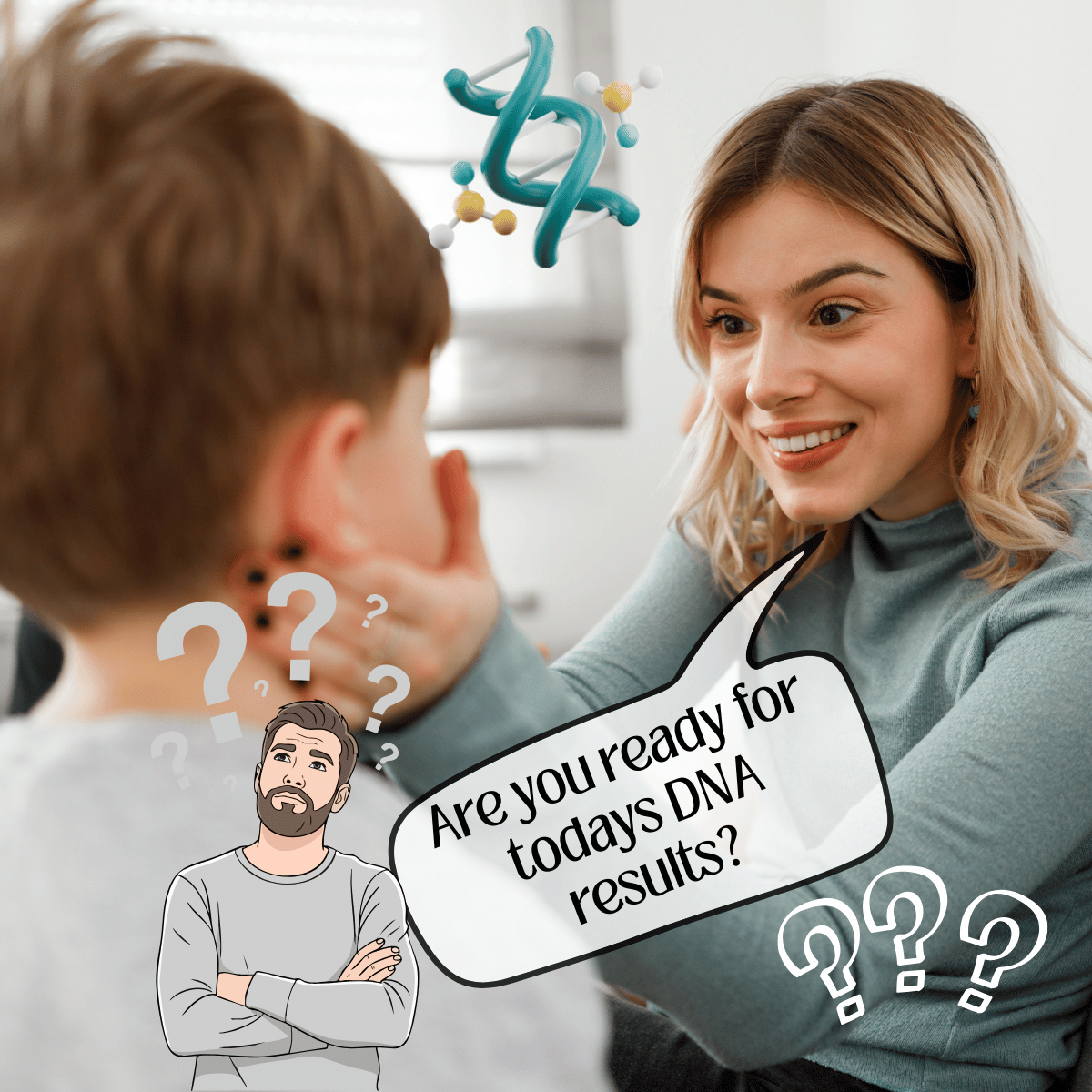
Why the Emotional Weight of This Process Is Real
Whether the question is about paternity, a family secret, or reconnecting through adoption, DNA testing can bring up strong emotions that matter just as much as the results themselves.
Families frequently describe a genuine mix of anxiety and hope leading up to receiving results, regardless of what the ultimate answer turns out to be, which is exactly why the accredited process described above matters as much for its accuracy as for the peace of mind it’s designed to give you.
How To Approach The Conversation With Family Members
Talking about DNA testing with family, especially when paternity is involved, should be handled with care and sensitivity.
A few things to help the conversation go well:
- Being honest and direct about why the question matters to you, rather than raising it indirectly
- Giving other family members space to process their feelings about it, rather than expecting an immediate reaction
- Deciding together, where possible, how and when results will actually be shared
Approaching the conversation with care and empathy can bring clarity instead of creating unneeded stress or tension.
DNA testing has made it easier for families to get clear answers during emotional situations, whether they involve paternity, sibling relationships, or other questions about biological connections.
Given how much these results can shape or affect a family’s next steps, choosing an accredited laboratory and approaching the process with patience and openness toward everyone involved is what turns a potentially emotional and difficult experience into one that brings a family definitive answers, and the peace of mind, they’ve been looking for.
Leave a Reply