Below, we talk about how managing overgrown dermal tissue restores skin health. Dealing with abnormal scar growth after a minor skin injury feels a lot like managing an unexpected bug in a production environment.
When your body’s healing mechanism fails to turn off, excess collagen keeps building up long after the original wound closes. Fixing raised scar tissue requires suppressing active collagen production rather than simply cutting away the bump.
If you are evaluating options for Keloid scar removal, understanding how combination therapies blend steroid injections with laser treatments gives you a realistic blueprint for smoothing raised tissue. Planning a structured protocol prevents aggressive recurrence while protecting your surrounding healthy skin.
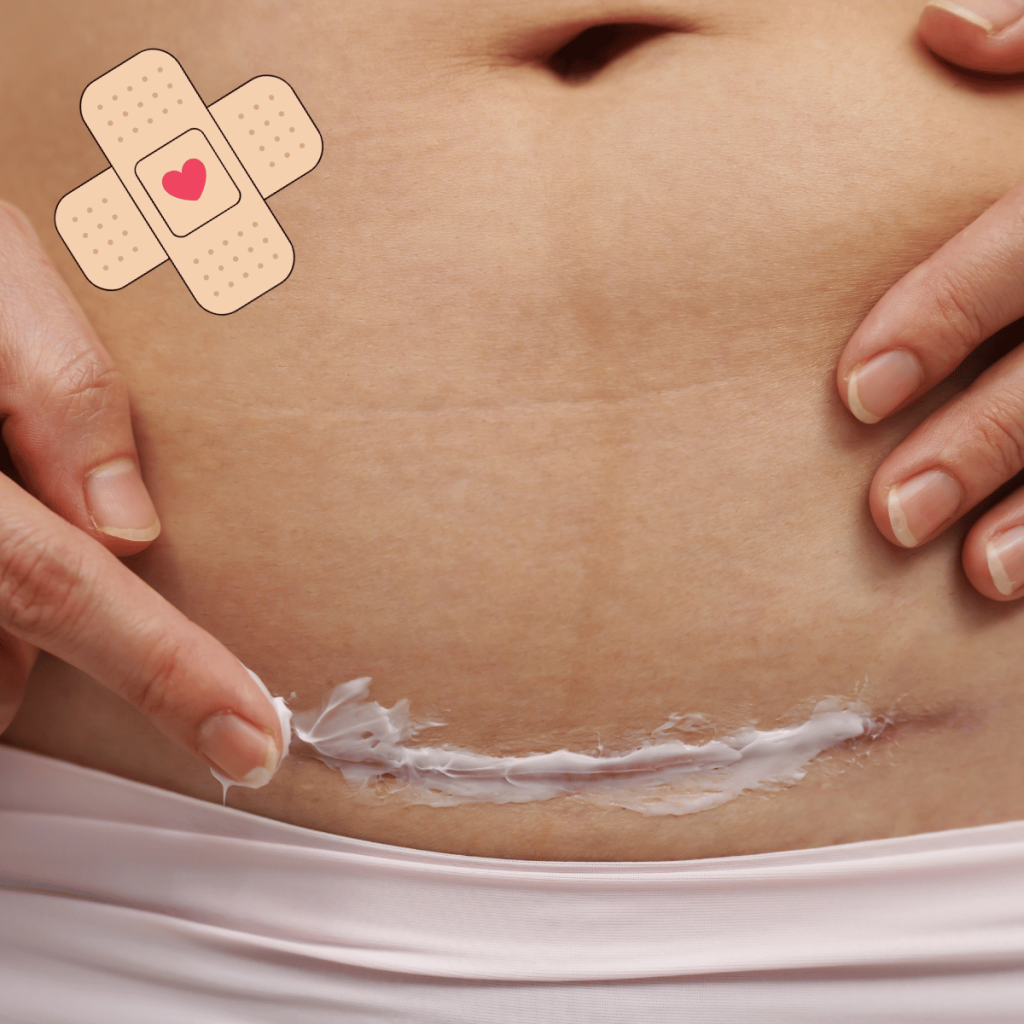
Why Collagen Keeps Overbuilding In Scars
When you get a cut, scrape, or piercing, your skin produces collagen fibres to seal the gap. In normal healing, your body balances collagen creation with collagen breakdown once the skin surface repairs itself.
With abnormal raised scars, that off-switch fails. Fibroblasts in the dermis keep producing dense, thick collagen bundles continuously, creating a raised, firm lump that often feels itchy, tender, or tight.
Cutting Out Scars Often Backfires
Standard cosmetic advice often suggests that cutting off a raised scar in a quick surgical procedure is the fastest solution. The non-obvious trade-off is that surgical excision alone carries a recurrence rate as high as eighty per cent.
Because surgery creates a brand-new skin wound, it frequently re-triggers the exact same runaway inflammatory response that formed the original scar. You trade the instant gratification of physical removal for a high risk of the scar returning even larger.
Why Combining Injections With Lasers Works
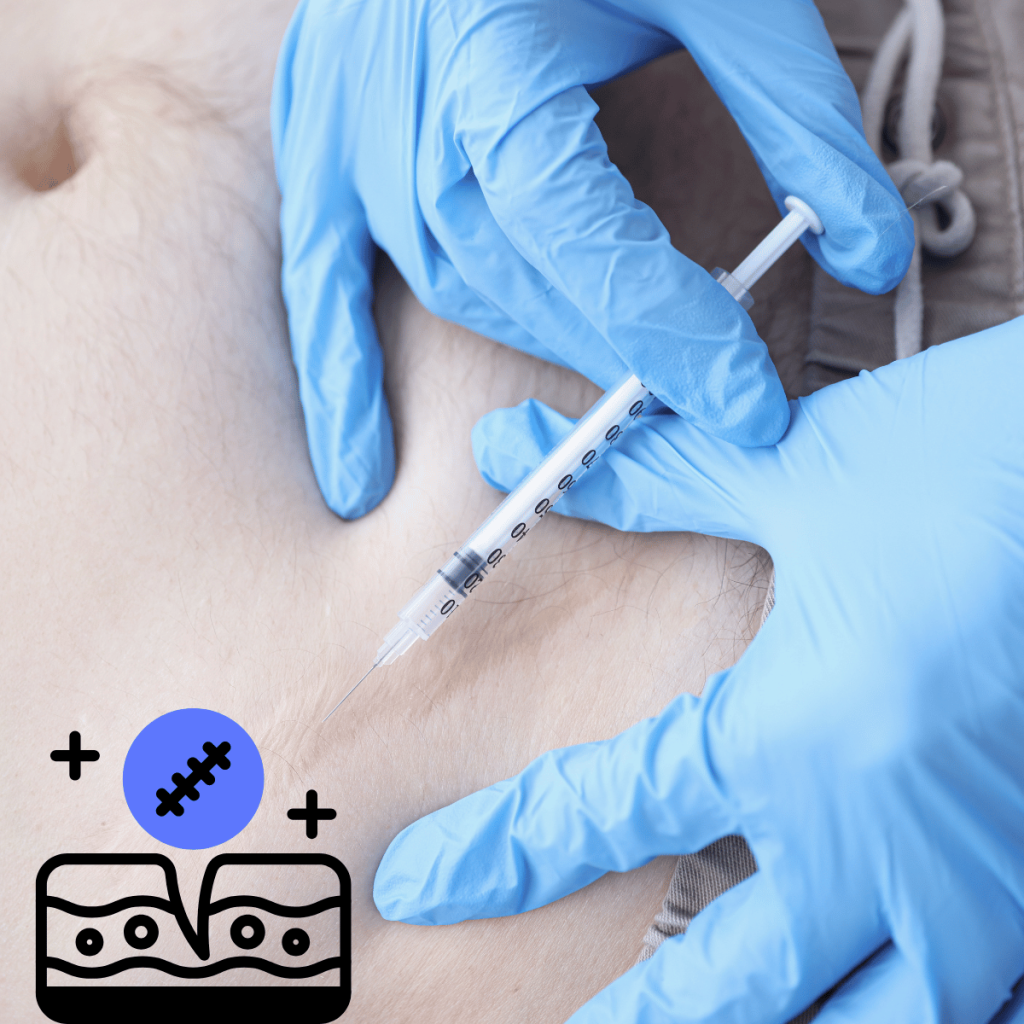
Rather than relying on a single aggressive treatment, modern scar management combines low-dose steroid injections with targeted vascular lasers. Steroid injections suppress active fibroblast cells, slowing down collagen synthesis from within the tissue.
Vascular lasers target the tiny blood vessels supplying nutrients to the overgrown scar. Shutting down this excess blood flow starves the overactive tissue, causing the scar to flatten and fade to your natural skin tone without creating new surgical wounds.
Calculating The Real Cost Of Recurrence
Let us look at a concrete worked example comparing single surgical removal against a combined non-surgical protocol over a two-year period. Consider someone who pays 800 pounds for a quick surgical scar excision.
When the scar recurs fourteen months later at twice its original size, fixing it requires revision surgery costing 1,200 pounds plus follow-up steroid treatments costing 1,500 pounds, bringing total spending to 3,500 pounds.
In contrast, a planned series of targeted injections and laser sessions costs 1,600 pounds total and prevents growth recurrence. Starting with a combined clinical protocol saves 1,900 pounds while protecting your skin.
Simple Daily Habits For Scar Prevention
Protecting vulnerable skin areas from abnormal tissue growth requires establishing simple, consistent care habits after any minor injury or procedure. Keeping skin calm during early healing reduces inflammatory triggers.
Keep these practical habits in mind:
- Apply pressure therapy early: Wear medical silicone gel sheets over healing wounds for twelve hours daily to flatten emerging scar tissue.
- Avoid picking or scratching wounds: Protect healing skin from mechanical friction that triggers extra collagen production.
- Use daily sun protection: Apply broad-spectrum sunscreen over fresh scars to prevent dark, permanent hyperpigmentation.
A Clear Rule For Treatment Timing
You do not need medical training to know when a growing scar needs professional attention. You can apply a straightforward decision rule called the six-week boundary rule.
If a scar remains raised, dark red, or itchy six weeks after the injury, or if it begins growing beyond the boundaries of the original wound, do not wait for it to fade on its own.
Book a clinical consultation for vascular laser or injection therapy within two weeks to flatten the tissue before dense collagen bundles fully lock into place. Managing overgrown skin tissue is ultimately about choosing a patient, data-driven approach that works with your body’s healing biology.
By avoiding quick surgical cuts, understanding why combination treatments work, and acting early on red flags, you keep your skin smooth and healthy. Approach your care plan with calm strategy, rely on solid medical principles, and move forward with confidence in your decisions.
Leave a Reply