Today, we are talking about how to write a heartfelt funeral eulogy for a loved one. As a family member or close friend giving the eulogy, one usually wants to say something meaningful, memorable, and personal that everyone at the funeral can relate to.
A typical funeral service may leave only three to five minutes for that part of the program, so you will want to make it count. The time can pass very quickly, while standing at the podium, as you recall sweet memories or special things related to your deceased loved one.
Notes can run long, family facts can blur together, and strong feelings can make even simple sentences difficult to read with confidence. A usable draft should have a clear point, a few solid details, and wording that still sounds natural and heartfelt.
The eulogy is one part of the service that cannot be handed off or put together at the last minute. The length, tone, and structure can help prevent rambling, missed names, or private stories you want to share.
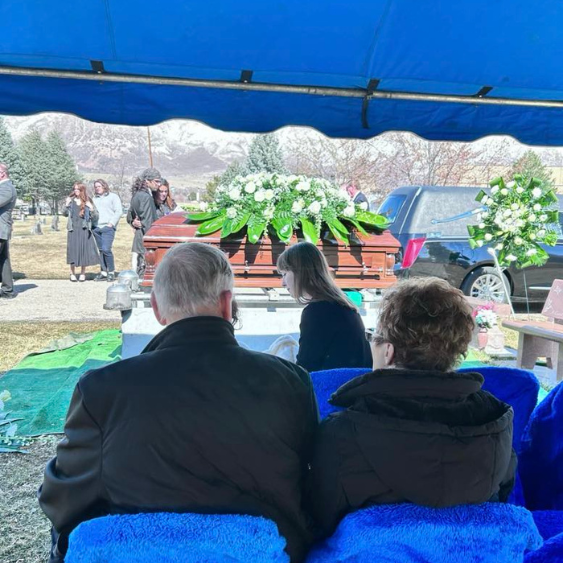
How To Write A Heartfelt Funeral Eulogy For A Loved One
Deciding what the eulogy needs to include, and which details belong in it, makes creating the draft easier for the service, which may also include quotes, music, photo displays, and funeral caskets of your loved one, placed at the front of the room.
Decide What The Eulogy Should Say
Before drafting, decide what the eulogy is meant to say. The focus of it may be the person’s character, the values they lived by, or the everyday way they showed up for family and friends.
Write it with a focus and length that fits the time you are given, during the service. Then, choose a tone that matches the setting, such as faith-centered, light but respectful, or formal and steady. A single sentence that captures what people should remember most can guide the rest of the draft and keep it from drifting.
Without a clear focus, a eulogy can end up filled with extra side stories and memories, leaving you without enough time to say what really matters. A good way to check this is to ask whether each sentence supports the main message or gives a specific example that helps people understand it better.
If a detail does not do either of those things, it is usually better saved for a family conversation or a written note instead of the version you read at the service to everyone.

Use Details People Recognize
Specific details usually stay with listeners longer than anything else, especially when the room includes relatives, neighbors, coworkers, and friends who each knew a different side of the person.
A repeated habit, familiar phrase, or small act of care gives people something they can immediately recognize, such as calling on holidays, arriving early to help, bringing extra food, or greeting everyone by name. Details like these carry warmth without sounding exaggerated, and they keep the eulogy centered in real memory.
It also helps to include real, reliable details about the person. Sympathy cards can remind you of the qualities other people noticed most about your deceased loved one.
Family messages can show meaningful how much that person meant to others, photos can bring back sweet memories, and obituary notes can help you remember names, dates, and family roles correctly.
When other people in the room can recognize the memory too, it is less likely to feel too personal, confusing, or out of place during the service.
Structuring The Eulogy
Most funeral services move through readings, music, and prayers on a fixed schedule, so the eulogy should always have a structure to it. Open by naming who the person was in, then state your relationship to them so the room understands who you are and how you knew the person.
Transitions should be short and sound natural, like something you would actually say, such as, “Another thing people knew about her was…” This helps the eulogy move smoothly from one point to the next.
Grouping memories by theme also helps avoid sudden jumps between different time periods, family members, and parts of the person’s life, which can be confusing for guests.
If one section needs too much extra explanation to make sense, it probably fits better somewhere else or should be taken out so the next point comes across more clearly.
Write From The Heart

Formal wording can sound stiff when spoken into a microphone, especially if it reads like a sympathy card or a public speech. Write from the heart. Use short sentences and plain phrases you would normally say, and describe things directly instead of over explaining. If you wouldn’t use a line in everyday conversation, it will likely feel forced at the service, even if it looks good on paper.
Keep the speech connected to real details by talking about a favorite saying they had, a role in the community, or the way they treated others in ordinary moments. Also, reading the draft out loud helps you spot phrases that trip your tongue, long sentences that lose the room, or wording that doesn’t sound good.
Prepare It For Reading Aloud
Large, readable text reduces strain at the podium when lighting is dim or your hands shake. Print the draft with wide margins, double spacing, and clear paragraph breaks so your eyes can find the next line quickly.
Put page numbers on every sheet, and avoid reading from a phone screen that can dim, lock, or scroll at the wrong time. Mark the name pronunciations you want to get right, especially for grandchildren, close friends, clergy, or veterans’ groups.
Practice Makes Perfect
Practice reading it through several times and trim any sentences or repetitive wording that don’t make sense, like replacing tongue-twisters with simpler words.
Add a slash or blank line where you want a pause for breathing, and note where a drink of water can fit without breaking the flow. Keep the final copy in a folder with tissues and a backup printout if you find that necessary.
A meaningful and heartfelt eulogy does not have to be difficult to write or something that fills you with anxiety. What matters most is having one clear message about the person, adding a few specific details that others will recognize, and using simple sentences that are easy to say out loud.
Keep it within the time allowed for the service, leave out private stories that need too much explaining, and double-check names, dates, and relationships before printing the final copy.
Don’t forget to practice reading it out loud, because your pacing, pauses, and wording can change how it comes across to others listening. Print a clean copy, bring a backup, and hopefully, the final version of the eulogy will feel personal, respectful, and true to the person you are honoring.