Today, we will talk about how to select and maintain a safe outdoor playset for your backyard. A backyard playset can transform an ordinary yard into a fun and active space for children. It encourages outdoor play, helps build coordination, and creates lasting memories.
However, safety and upkeep matter just as much as fun. The best outdoor playset is one that fits the space, meets safety standards, and stays in good condition through regular care.
Families often focus on appearance or features, but the right choice depends on more than looks. The materials, design, and setup all affect how safe and durable a playset will be. A well-chosen structure can provide years of safe play, while a poor choice can lead to wear, damage, or injury.
Proper maintenance keeps the playset sturdy and safe over time. Regular cleaning, inspection, and small repairs prevent bigger problems later. With the right selection and care, a backyard playset can remain a trusted part of outdoor fun for years.
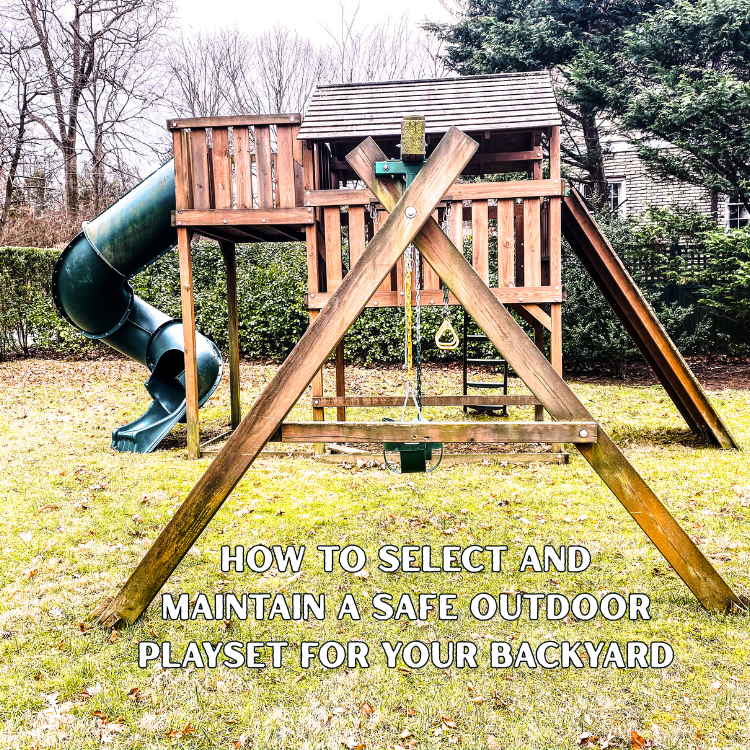
Selecting A Safe Outdoor Playset For Your Backyard
A safe and durable playset depends on proper site planning, strong materials, and thoughtful design. Parents should balance safety standards with age-appropriate features that encourage active play while keeping supervision easy.
Assessing Backyard Space and Site Preparation
Before any purchase, families should measure their yard carefully. A playset needs a level surface and at least six feet of open space around all sides for safe play. This buffer helps prevent collisions with fences, trees, or garden structures.
Soil condition matters too. Soft surfaces such as mulch, sand, or rubber mats reduce impact from falls. Hard ground or concrete increases injury risk. Drainage also plays a role; standing water can damage wood or metal parts over time.
Parents should also consider visibility. The play area must be easy to see from the house or patio so adults can supervise children without obstruction. For larger setups, such as backyard playgrounds by Extreme Kids World, checking driveway access for delivery and installation makes setup smoother and safer.
Prioritizing Safety Features and Standards
Safe playsets meet recognized standards such as ASTM and CPSC guidelines. These standards cover design details like rounded edges, proper guardrails, and secure fasteners that prevent pinching or entrapment.
Hardware should be recessed or capped to avoid cuts. Railings must be spaced to stop children from slipping through or climbing over. Slides and swings should include high sides or bucket seats for younger users.
Anchoring the structure firmly into the ground adds stability. Models that allow adjustable supports can adapt to uneven surfaces. Parents should also check for clear assembly instructions or professional installation options. Regular inspection for loose bolts, rust, or worn ropes helps maintain long-term safety.
Choosing the Right Materials for Durability
Material choice affects both longevity and maintenance. Wood, metal, and vinyl each offer distinct benefits. Cedar or redwood resists rot and insects but needs sealing every few years. Metal frames resist warping yet may rust without a protective coating. Vinyl and poly materials require less upkeep but might not support heavy weights.
A simple comparison helps clarify:
| Material | Strength | Maintenance | Lifespan |
| Wood | High | Medium | Long |
| Metal | Medium | Low | Medium |
| Vinyl/Poly | Moderate | Low | Medium |
Families should select materials that fit their climate and usage level. For instance, humid regions benefit from treated wood or coated metal to prevent decay.
Selecting Age-Appropriate Designs and Features
Playsets should match the child’s age and physical ability. Toddlers need low platforms, gentle slides, and enclosed spaces. Early school-age children benefit from moderate climbing walls, belt swings, and short ladders. Older kids prefer taller towers, monkey bars, and rope elements that challenge coordination and strength.
Adjustable or modular playsets allow families to modify features as children grow. Some models include add-ons such as rock walls or extra swings that expand over time. Clear labeling for age ranges helps parents choose safely.
Safety surfacing, like rubber mulch or foam tiles, reduces injury risk for all ages. Parents should review manufacturer’s weight limits and assembly guides before use. Regular checks for wear and secure fittings keep the structure dependable year after year.
Maintaining and Extending the Life of Your Outdoor Playset
Proper care keeps an outdoor playset safe, sturdy, and ready for daily use. Regular inspections, surface cleaning, and timely repairs protect wood, metal, and plastic parts from damage and extend the lifespan of swings, slides, and climbing features.
Routine Inspections and Safety Checks
A consistent inspection schedule helps identify hazards before they cause injuries. Families should check all bolts, screws, and joints at least twice a month during active play seasons. Loose hardware can lead to movement in wooden swing sets or plastic playsets, which reduces stability.
Inspect swings, slides, climbing walls, and rope ladders for cracks or fraying. Replace any part that shows wear or rust. The Consumer Product Safety Commission recommends checking for sharp edges and exposed hardware that may snag clothing or skin. Rounded edges and corners on wood or metal parts reduce the chance of cuts.
Walk around the structure and test stability by gently pushing different sections. The playset should not wobble or lean. Ground anchors must stay tight and secure, especially after heavy rain or strong wind.
Cleaning and Weatherproofing Procedures
Dirt, mildew, and UV exposure can damage surfaces and shorten the life of a playset. Use mild soap and water to clean wooden or plastic parts several times a year. Avoid harsh chemicals that strip sealant or fade colors.
After cleaning, inspect the wood for dryness or fading. If the surface feels rough or dull, it may need a fresh coat of sealant or stain. Cedar or redwood playsets benefit from water-based sealants that protect against moisture and sun damage. Reapply every one to two years for best results.
In colder climates, remove fabric canopies and flexible swing seats before winter. Store them indoors to prevent cracking. Cover the main structure with a breathable tarp to reduce snow and ice buildup.
Repairing and Replacing Worn Components
Small repairs prevent larger structural problems. Replace rusted bolts, cracked plastic slides, or splintered wood panels as soon as damage appears. A short delay can allow moisture to spread or hardware to loosen further.
Keep spare parts such as chains, handgrips, and anchor bolts on hand. Many wooden playsets use standard sizes, making replacements simple.
If a section feels unstable even after tightening hardware, inspect the base for soil erosion or rot. Reinforce the foundation before reinstalling parts. Regular attention to these details helps the playset remain safe and enjoyable for many years.
A safe outdoor playset helps children stay active and enjoy outdoor time while giving parents peace of mind. Families should focus on sturdy materials, age-appropriate designs, and proper installation to reduce the chance of injury.
Regular care keeps the playset in good shape. Check bolts, joints, and surfaces often. Replace worn parts and clean the structure to prevent rust, mold, or splinters.
Safety surfaces such as mulch or rubber mats help soften falls. Clear the area of sharp objects or hard ground materials to create a safer play zone.
By choosing quality materials and keeping up with basic maintenance, families can create a backyard space that supports fun, movement, and safe play for years to come.