This is a guide to hemp-derived THC. Once a topic confined to medical journals and dispensary counters, hemp‑derived cannabinoids are now part of mainstream conversation. Products containing delta‑8 THC, delta‑9 THC, and other emerging compounds line shelves in convenience stores and online shops.
For parents working from home and managing busy households, the influx of cannabinoid‑infused gummies, oils, and vapes can be confusing.
How do these substances differ? Are they safe? And why are they legal in some states but not others? Understanding the nuances can help you make informed decisions for yourself and keep curious teens safe.
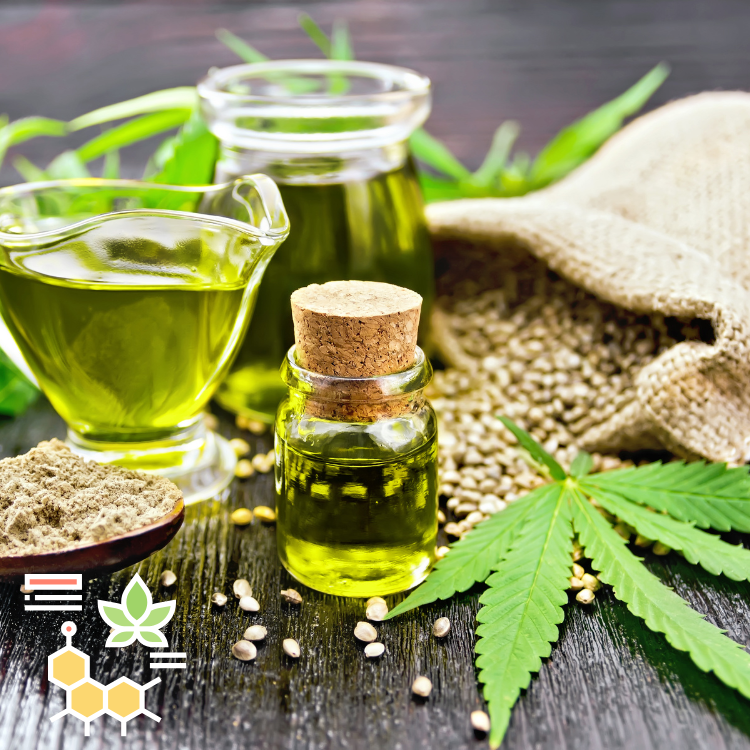
A Guide to Hemp‑Derived THC
This article unpacks the key differences between common hemp‑derived THC variants, explores potential benefits and risks, and offers tips for selecting trustworthy products. By the end, you’ll have a clearer picture of what these cannabinoids are and how to navigate the evolving marketplace.
What Are Delta‑8 and Delta‑9 THC?
Both delta‑8 and delta‑9 are forms of tetrahydrocannabinol (THC), the cannabinoid responsible for cannabis’s psychoactive effects.
Delta‑9 THC occurs naturally in higher concentrations in the cannabis plant and is the compound most people associate with a marijuana “high.”
Delta‑8 exists in much smaller quantities and is often synthesized from hemp‑derived CBD. Because it binds slightly differently to the body’s CB1 receptors, delta‑8 produces a milder psychoactive effect.
The legality of these compounds varies. Under U.S. federal law, hemp‑derived products containing less than 0.3% delta‑9 THC are permitted.
Delta‑8 remains in a gray area: some states allow it, while others have banned it outright. Consumers should check local regulations before purchasing.
Potential Benefits and Side Effects
Many users turn to delta-8 THC for its gentler effects compared to delta-9, reporting support for relaxation, stress relief, and occasional pain or nausea. Some even find it a helpful option when looking for a more balanced alternative to traditional wellness routines.
Like any cannabinoid, experiences can differ from person to person. While some may notice drowsiness or changes in alertness, others experience only mild relaxation.
Because delta-8 is often produced from hemp-derived CBD, product quality plays a key role in shaping these effects. Choosing brands that provide third-party lab testing helps ensure accurate dosing and a clean formula.
It’s also worth remembering that both delta-8 and delta-9 can appear on routine drug screenings, so individuals in sensitive professions should be mindful.
Overall, when sourced responsibly and used thoughtfully, hemp-derived cannabinoids can offer meaningful benefits while fitting safely into a wellness routine.
Choosing Safe, Transparent Products
If you decide that hemp‑derived THC products are right for you or a family member, select brands that prioritise transparency and quality.
Look for companies that provide third‑party lab reports verifying cannabinoid content and confirming the absence of contaminants.
Full ingredient lists should be easy to find, and manufacturing methods should be clearly explained. When exploring newer formulations, consider established manufacturers that offer a range of legal products, for example, ELF THC produces compliant hemp‑derived gummies and tinctures tailored for adults. Check customer reviews and ensure the company’s products comply with state laws.
Because THC can impair cognitive and motor function, keep any edibles or vape devices locked away from children and teenagers.
Educate older kids about the risks of using unregulated products and remind them that these substances are for adults only. If you’re pregnant, breastfeeding or taking prescription medication, consult a doctor before using any cannabinoid product.
Responsible Use, Testing and Legal Considerations
Hemp‑derived cannabinoids occupy a legal grey area that varies from state to state. While federal law permits products containing less than 0.3% delta‑9 THC, individual states can restrict or ban certain forms of THC.
For instance, delta‑8 has been legal in Texas since June 2019 as part of House Bill 1325, but other jurisdictions have moved to ban or regulate it due to safety concerns. Always check your local laws before purchasing or consuming any THC product.
Another factor is workplace drug testing. Even though delta‑8 is less potent than delta‑9, it can still produce metabolites that trigger a positive result on a drug test.
Because many products aren’t tightly regulated, traces of delta‑9 may appear in delta‑8 formulas. If you are subject to testing, err on the side of caution and avoid hemp‑derived THC entirely.
Responsible consumption also means starting with a low dose and waiting to assess the effects before taking more. Never operate heavy machinery or drive after using any psychoactive cannabinoid.
Store products in their original packaging with clear labels, and dispose of any expired or questionable items safely. Finally, remember that even legal THC products can be harmful if they contain residual solvents, pesticides or heavy metals. Only purchase from brands that publish certificates of analysis and adhere to Good Manufacturing Practices.
The landscape of hemp‑derived THC is expanding rapidly, and staying informed is the best way to navigate it safely. Delta‑8 and delta‑9 are two distinct cannabinoids with different potencies and legal statuses, and while early reports suggest potential benefits for pain or anxiety, research is still catching up.
Unregulated products can pose health risks, so always prioritise transparency when shopping and follow local regulations.
By understanding the science and exercising caution, parents can make educated choices for themselves and set clear boundaries at home.