Today, we are talking about how the farmers market can reduce your carbon footprint. Most people try to make environmentally responsible choices, but it can be hard to tell which everyday habits actually matter.
One simple shift that carries more weight than it seems is shopping at a local farmers market. It is not just about fresh produce or friendly conversations.
The way food reaches you changes your environmental impact more than most folks realize, and markets shorten that path in meaningful ways.
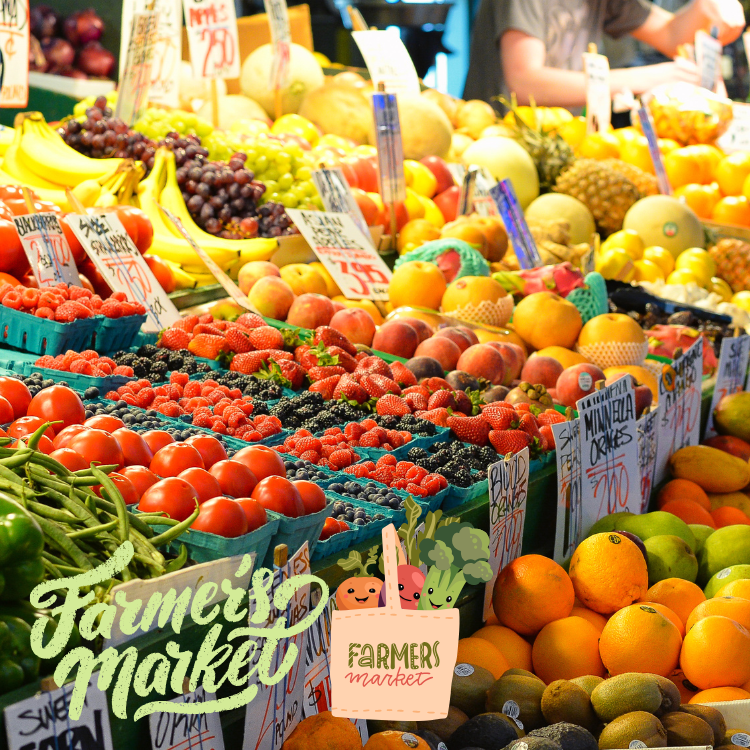
How The Farmers Market Can Reduce Your Carbon Footprint
Choosing a farmers market over a traditional grocery store often creates a smaller environmental footprint from the start.
The Hidden Cost of Distance
Grocery store produce often travels far before you ever see it. A tomato might start in one region, get loaded onto a long-haul truck, pass through a distribution center, and spend time in refrigerated storage before reaching your cart.
It is an impressive system, yet every mile uses fuel and energy. Picture a single apple. It may have taken a quiet little road trip across several states, wrapped in cooling systems and plastic packaging the entire time.
Those long supply chains create emissions that add up quickly. Most consumers do not think about the transportation behind everyday food, partly because it works so smoothly. But that convenience comes with a carbon cost tucked away behind loading docks and warehouse doors.
Shorter Paths, Smaller Footprints
Farmers markets remove a large part of that distance. Instead of traveling hundreds or even thousands of miles, produce often comes from a nearby field.
A grower may harvest early that morning, load a truck or trailer, and drive just a short route to the market. Fewer miles, less fuel, and very little refrigeration time.
It is not only about emissions. There is something grounding about talking directly to the person who grew your vegetables.
You end up understanding how close your food really is. That connection reinforces the idea that short supply chains are not only fresher but also less carbon intensive.
Seasonal Eating Makes a Quiet Difference
Another piece of the puzzle involves what the market encourages you to buy. Seasonal produce requires far less energy to grow and transport.
When you are buying strawberries in June, you are getting fruit that was grown naturally in warm weather, not in an artificially heated greenhouse or shipped from across the world.
Off-season items usually need more heating, cooling, and controlled environments. That extra energy use increases their carbon footprint.
At a farmers market, you naturally lean toward what is in season because that is what shows up on the tables. You also notice the difference in flavor.
Fresh corn in late summer or crisp apples in early fall carry a quality that does not need a sustainability lecture. You can taste the lower carbon footprint without even thinking about it.

Local Farming Practices Tend To Be Gentler
Small and mid-sized local farms often use growing methods that reduce environmental strain. Not all local farmers avoid synthetic chemicals or rely on soil-friendly systems, but many do.
You might hear growers talk casually about crop rotation, composting, drip irrigation, or simple soil monitoring kits to track moisture and health.
Some use hoop houses rather than power-hungry heated greenhouses. These choices reduce emissions in ways that do not always make headlines.
It is worth noting that large-scale agriculture feeds most of the nation and uses sophisticated technology to manage land efficiently.
Still, many smaller growers put emphasis on soil health and water conservation because they are closer to the land and see the effects immediately. Both scales have a place, but markets highlight the gentler side of farming.
Less Packaging, Less Waste
Walk through a farmers market and you will notice something almost immediately. Produce sits in open bins without plastic clamshells. Greens are tied loosely instead of sealed in bags that will get trashed within minutes.
Eggs come in cartons that look like they have been reused more than once. This reduction in packaging waste is a simple but important part of shrinking your carbon footprint.
Plastic production carries a heavy environmental cost, and so does waste disposal. Even recycling has energy requirements.
When you buy food loose and fresh, you avoid a surprising amount of unnecessary material. It is a small shift that feels natural once you get used to it.
Community Strength Reduces Environmental Strain
Supporting local growers keeps farmland active and encourages sustainable land management. When communities value local food, it promotes soil stewardship, diversified crops, and long-term care of regional ecosystems.
It might seem like a small personal choice, yet enough small choices have a habit of becoming something substantial. A strong local market system often leads to more growers, more variety, and a more resilient local food network. That resilience reduces reliance on long-distance shipping during shortages or disruptions.
Practical Ways To Make Your Farmers Market Trip Even Greener
You can lower your footprint further with these simple habits:
- Bring reusable bags or containers.
- Walk or bike to the market if it is close enough.
- Purchase what you will realistically use.
- Ask farmers about their growing methods. Most are happy to explain their process.
Small adjustments like these reinforce the environmental benefits you are already gaining from buying locally.
Farmers markets offer a straightforward way to reduce your carbon footprint without restructuring your entire lifestyle. Shorter supply chains, seasonal choices, reduced packaging, and more thoughtful farming practices all influence the environmental impact of your food.
Visiting a market is not just about browsing produce. It is about choosing a path that wastes less fuel, uses fewer resources, and supports people who are caring for the land right in your region.